
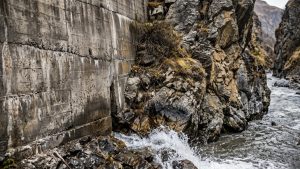
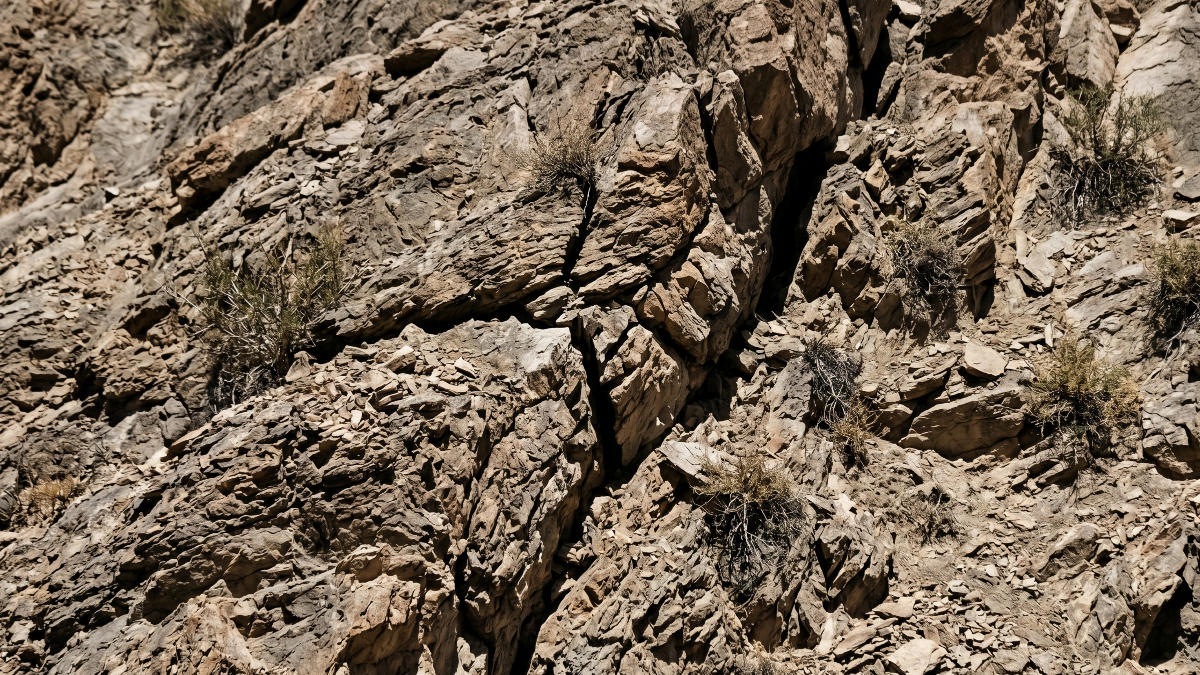
A senior engineering expert has called for a detailed review of the technical parameters for the Kambarata-1 hydropower project on the Naryn River in Kyrgyzstan. Karypbek Alymkulov, a professor of technical sciences, urged the republic’s Ministry of Energy to refine engineering solutions based on geological data and the results of previous regional construction efforts.
Alymkulov pointed to historical methods used during the Soviet era, when large-scale explosions were employed to create rock-fill dams. During the construction of the neighboring Kambarata-2 facility, rock formations did not follow predicted trajectories, which created technical difficulties at the start of the project. The expert cautioned against using rock-fill or earth-fill designs for the new site, describing such methods as an unjustified risk under current conditions.
Technical and economic assessments conducted with international specialists have suggested that Kambarata-1 should utilize a concrete dam to ensure structural reliability. The preference for concrete is driven by the seismic characteristics of the construction site, as the Ak-Shyyrak tectonic fault passes directly beneath the proposed axis of the dam. Alymkulov noted that seismic activity along this fault could cause geological shifts, potentially compromising the stability of the Kambarata-1 dam and leading to structural failure.
The Kyrgyz Ministry of Energy has previously defended the project design, citing research conducted by the Swiss consulting firm AFRY Switzerland Ltd. This analysis included a review of seismic data from 1770 to 2024 and a probability assessment of seismotectonic sources, taking potential fault displacements into account.
Ministry officials stated in a formal response that the selected design, a curved concrete gravity dam, is built to withstand calculated loads and remains stable under seismic pressure. The government maintains that this specific dam type offers the highest levels of hydraulic efficiency and safety for the region.