
Central Asia
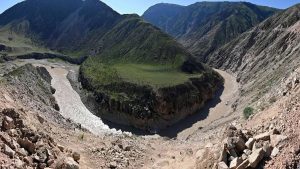
Kazakhstan, Kyrgyzstan, Tajikistan, Turkmenistan, and Uzbekistan sit atop some of the world’s largest untapped hydropower reserves — and some of its most politically complex river systems. The Syr Darya and Amu Darya basins, shared across multiple borders, have been a source of regional tension since the Soviet-era water-sharing agreements collapsed in 1991. Today, that tension is being renegotiated in real time: through dam construction, bilateral energy deals, and the quiet diplomacy of river basin organizations.
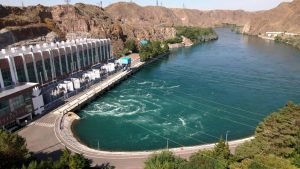
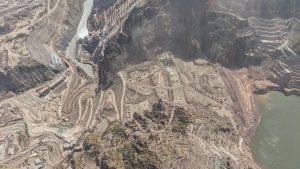
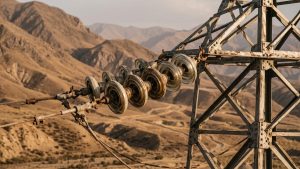
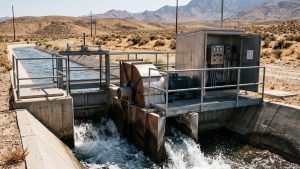
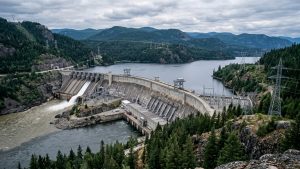
This section covers the full spectrum of hydropower development across Central Asia: major projects like Tajikistan’s Rogun dam and Kyrgyzstan’s Kambarata-1, which have been in planning for decades and are now finally moving toward completion; the rapid expansion of small hydropower in Kyrgyzstan and Kazakhstan; Uzbekistan’s ambitious investment programme backed by Chinese and European capital; and the modernization of Soviet-era infrastructure that provides the backbone of electricity supply across the region.
We also track the international dimension: World Bank and Asian Development Bank financing, Chinese contractors and development loans, GIZ-supported sustainability programmes, and the growing role of the International Hydropower Association in shaping regional standards. Central Asia is where the global energy transition meets post-Soviet infrastructure inheritance — and where the stakes for getting hydropower right are highest.