Caucasus
The South Caucasus — Georgia, Armenia, and Azerbaijan — occupies a distinctive position in the regional hydropower landscape. Georgia has staked much of its energy future on hydropower exports, developing a string of projects that have attracted both European investment and sustained opposition from local communities and environmental groups. Armenia operates aging Soviet-era plants on the Hrazdan and Vorotan rivers while navigating energy dependence and geopolitical isolation. Azerbaijan has moved toward carbon credits and international certification for its hydropower assets, signaling an ambition to integrate into European green energy markets.
This section follows the investment decisions, legal disputes, environmental assessments, and political negotiations that shape hydropower development across the three South Caucasus states. We cover project financing and construction, cross-border electricity trade, regulatory developments, and the growing friction between international sustainability standards and local implementation realities.
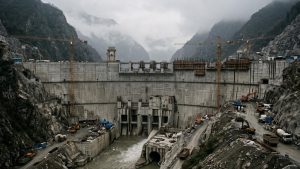
The Caucasus is also where some of the most dramatic individual stories in post-Soviet hydropower play out — from a Paris court suspending a $400 million payment in a Georgian hydropower arbitration, to Georgia’s Enguri plant seeking emergency repairs to restore capacity that has supplied the country for half a century. We cover these stories with the depth they require.