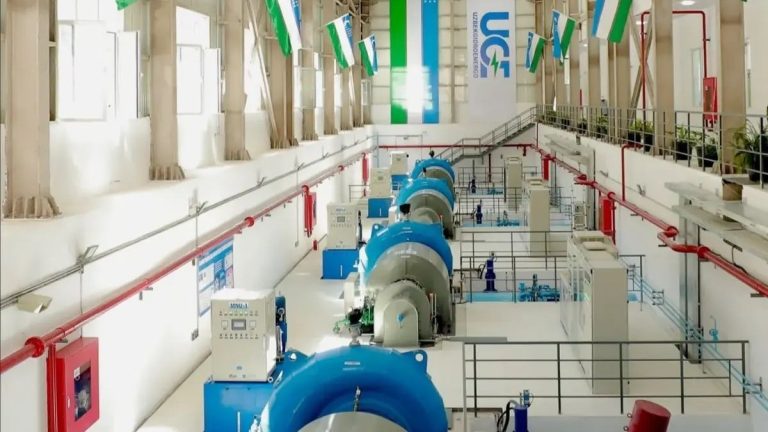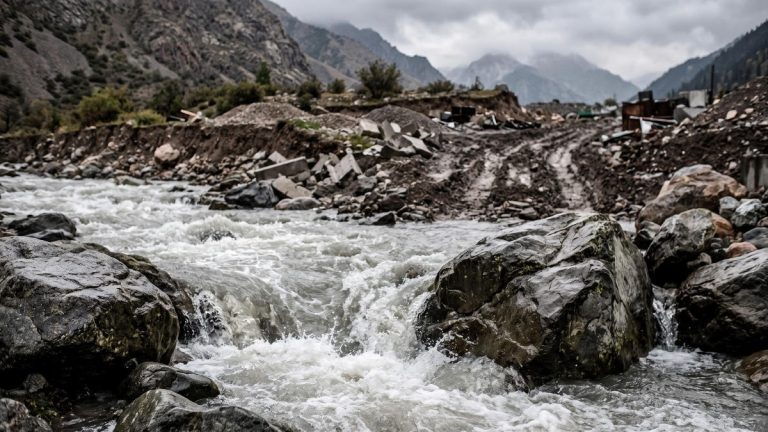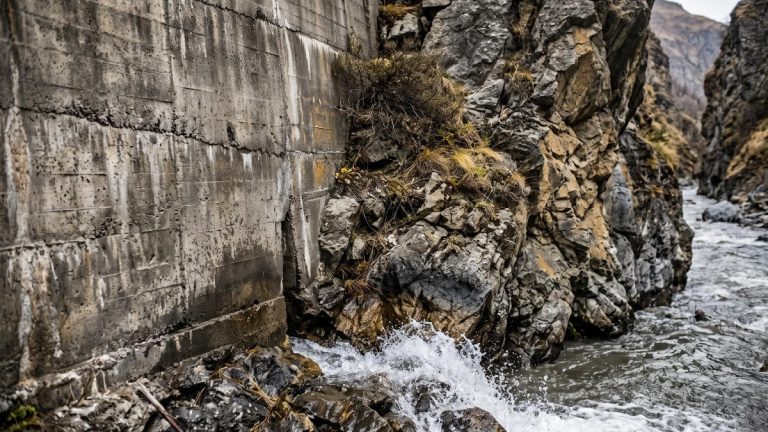



Kyrgyzstan has commissioned two small hydropower plants in the Chui region to address domestic energy needs. The Sokuluk and Tuyuk facilities provide a combined capacity of 15.6 megawatts (MW) to the national grid. The Sokuluk plant generates 9.7 MW, while the Tuyuk facility, located on a tributary, contributes 5.9 MW.
A local investor, Sokuluk HPP-3, financed the project with support from the National Investment Agency. The total cost is estimated at 1.7 billion soms (approximately 19.3 million dollars). The project involved the construction of water intake systems, power houses, and distribution infrastructure. President Sadyr Japarov attributed the increase in private investment to a recent law on capital legalization that has encouraged domestic businesses to fund infrastructure.
The government is currently prioritizing distributed generation to stabilize the power system. There are 48 small hydropower plants operating in the country with a total capacity of 180 MW. Another 50 projects are in various stages of construction, and 13 of these units are expected to be operational by the end of the year. Small-scale hydropower is intended to reduce regional dependence on electricity imports.
Kyrgyzstan continues to experience a power deficit despite the commissioning of new facilities. The shortage is most prominent during the winter months when demand peaks due to industrial growth and urban development. Authorities have indicated that while small plants support the grid, the construction of large-scale projects like the Kambar-Ata-1 plant remains necessary for the country to become an electricity exporter.