The Russian Ministry of Energy and the Ministry of Finance have reached an impasse over the funding model for new hydroelectric power plants. The energy ministry proposed a shared financial responsibility between the state and private power companies for the construction and upkeep of reservoirs. The finance ministry rejected this plan, pointing to a national budget deficit and suggesting that developers must cover all expenses.
Andrey Maksimov, director of the energy ministry’s power development department, confirmed the disagreement during the RENWEX 2026 exhibition. Maksimov said that while the finance ministry currently insists on private financing, a final government decision has not been made. Hydropower projects require large upfront investments and have long recovery periods, factors that generally discourage private capital without state support.
To encourage development, the energy ministry has drafted a federal law to ease regulatory requirements. The bill proposes changes to the town planning, land, and forest codes to remove obstacles for reservoir construction. The legislation would also grant the cabinet the power to determine how investors are compensated for their capital outlays in the hydropower sector.
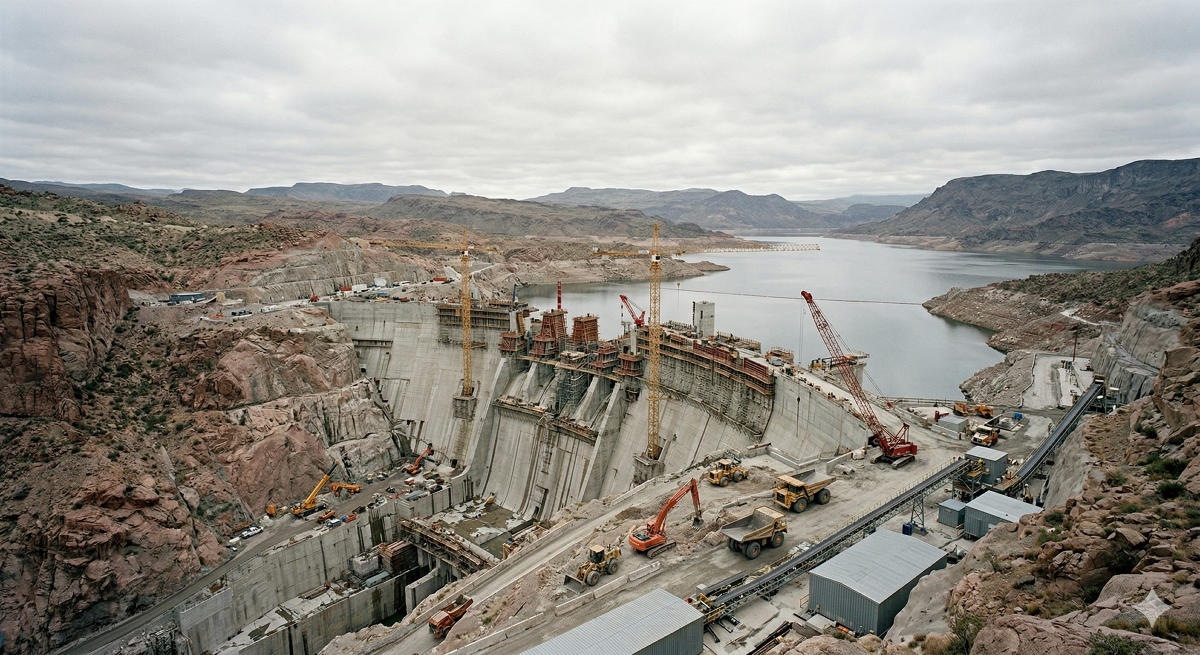
Current plans call for the addition of 7.5 gigawatts of capacity by 2042 through the construction of seven hydroelectric stations and five pumped-storage facilities. A significant portion of this work is focused on the Far East, where five plants totaling 3 gigawatts are intended to resolve regional power shortages. An additional 600-megawatt pumped-storage station is planned for the Primorsky region.
Energy Minister Sergey Tsivilev has formed a working group to manage the interdepartmental coordination of these projects. However, the successful execution of the expansion program depends on whether the two ministries can agree on a sustainable economic model for infrastructure development.