Russian power group RusHydro plans to expand its participation in the modernization and construction of hydroelectric facilities across Central Asia and the Caspian region. The company expressed its readiness to act as an engineering partner for regional governments during an industry congress in Bishkek. This proposal follows a history of involvement in the region, as the company is the successor to the institutes that designed most of the current water and power infrastructure.
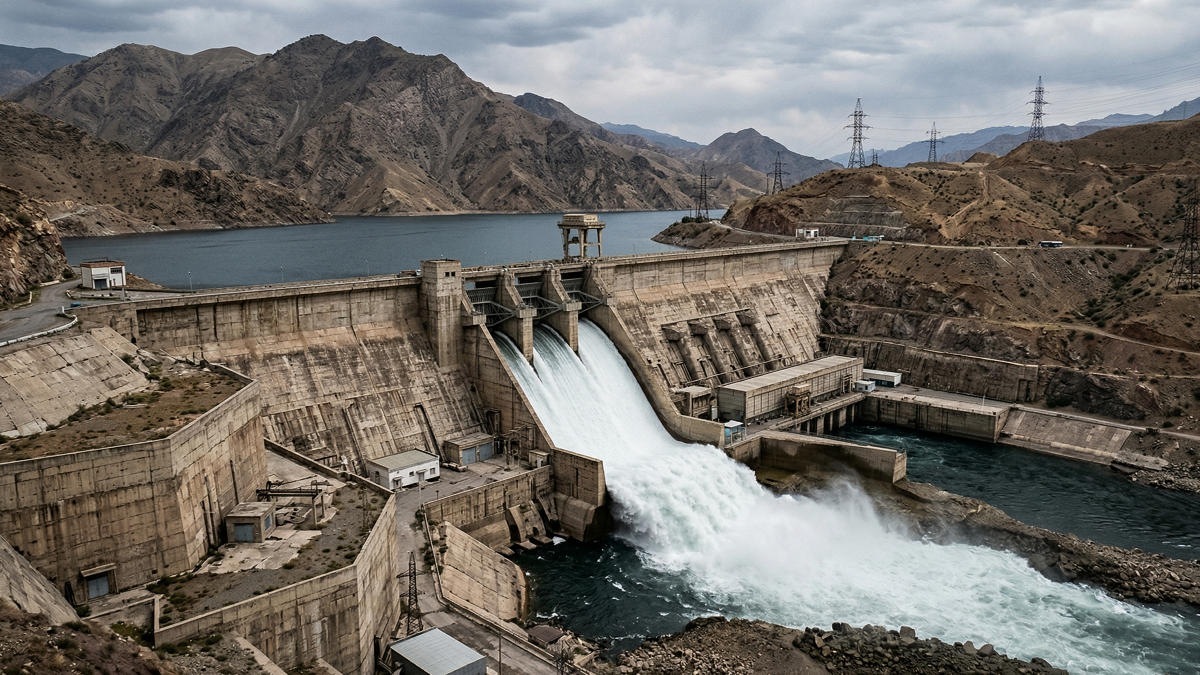
Records show that engineers from the group were responsible for over 100 projects in these republics. These include the 1,440 MW Toktogul and 800 MW Kurpsai plants in Kyrgyzstan, along with the 3,000 MW Nurek and 675 MW Sangtuda stations in Tajikistan. The same design framework was used for the Shulbinsk and Bukhtarma plants in Kazakhstan and the Charvak facility in Uzbekistan. These systems continue to provide electricity and water to regional population centers.
RusHydro maintains the design and operational documentation for the majority of these facilities in its archives. The holding intends to use this technical data to secure engineering support contracts for new construction. In Kyrgyzstan, potential projects include the 1,860 MW Kambarata-1 station, the 1,305 MW Suusamyr-Kokomeren cascade, and the 1,160 MW Kazarman cascade.
The company is also monitoring the completion of the 3,600 MW Rogun plant and the construction of the Shurab station in Tajikistan. In Uzbekistan, the company is focused on pumped storage capacity, specifically the proposed Karateren and Aidarkul plants. In Kazakhstan, officials are discussing the construction of a second phase for the Shulbinsk plant.
RusHydro management views its long-term experience with local operators as a foundation for regional energy security. The company states that maintaining technical cooperation with Russian contractors will provide the growing economies of Central Asia with stable access to low-cost electricity.