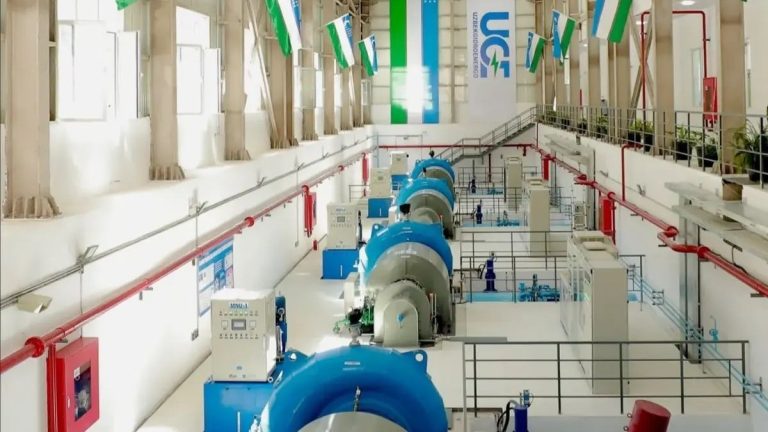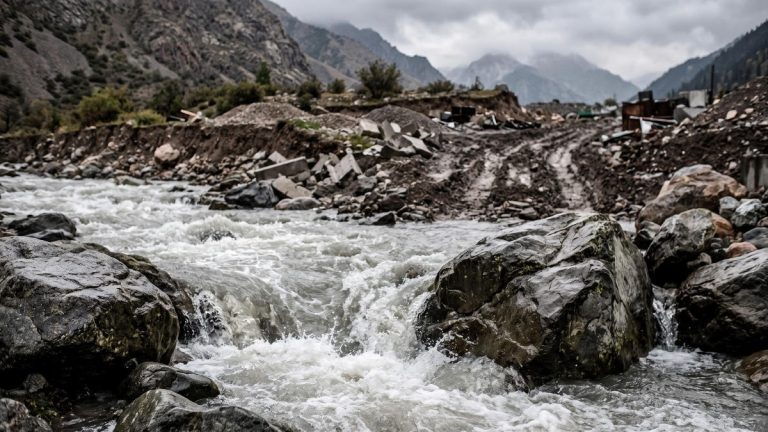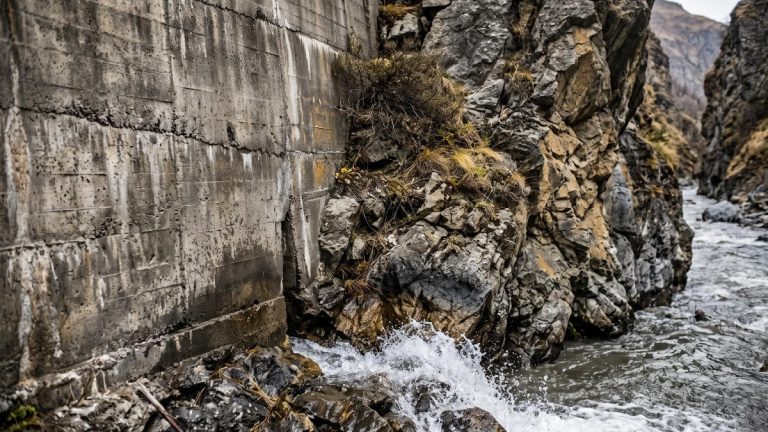

Uzbekistan plans to become the first country in Central Asia to build pumped-storage hydropower plants, launching three pilot projects with a total capacity of over one gigawatt to stabilize its national electricity grid. The state-owned developer, Uzbegidroenergo, expects construction to begin in 2027, with the facilities scheduled for completion by 2032. The projects, which carry an estimated total cost of 1.7 billion USD, are designed to attract foreign direct investment under a public-private partnership framework approved by a presidential decree in May, with the state covering less than 10 percent of the financing.
The largest of the planned facilities is the 600-megawatt Khozhakent plant in the Bostanlyk district, which has an estimated budget of 880 million USD. The Karateren project in the Takhtakupyr district is budgeted at 550 million USD for a capacity of 500 megawatts, while the 300-megawatt Aydarkul plant in the Farish district is estimated to cost 300 million USD. Feasibility studies for all three projects have been completed, and the state developer is currently negotiating with potential international investors.
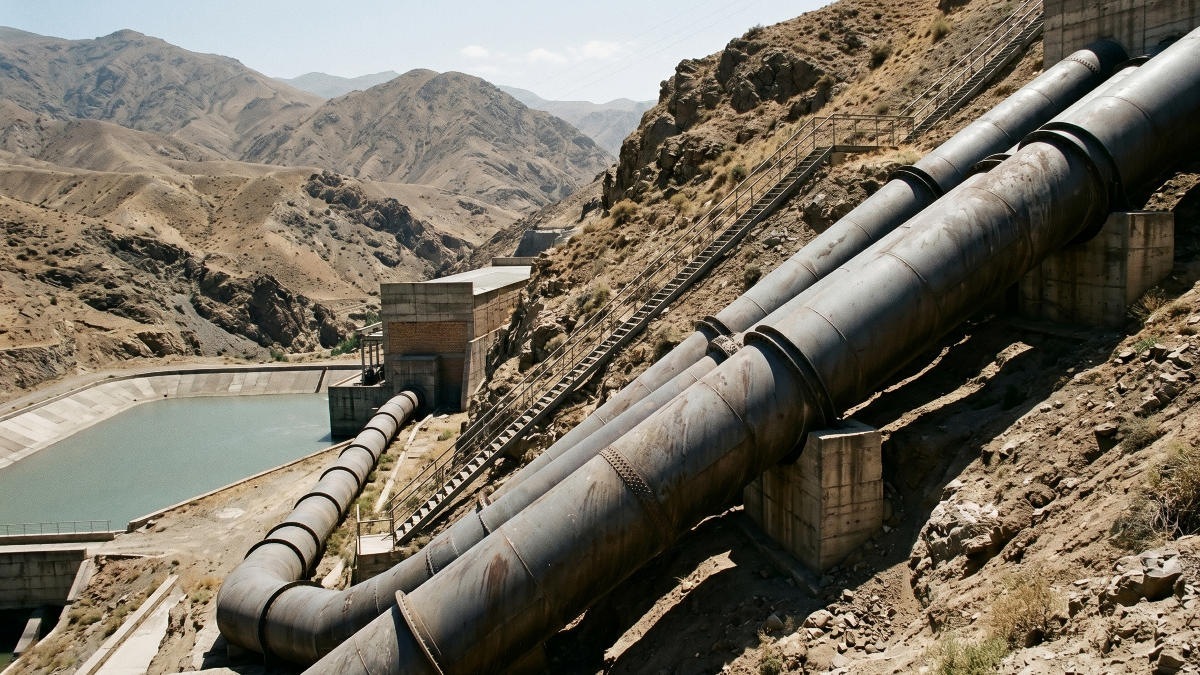
Unlike conventional hydroelectric stations, pumped-storage plants function as large-scale water batteries, pumping water to an upper reservoir during times of low demand and releasing it through turbines to generate power during peak hours. Operating with an efficiency of up to 85 percent, these plants are expected to provide the flexible capacity needed to balance the grid as Uzbekistan increases its share of volatile solar and wind power. Hydropower currently accounts for between 10 percent and 14 percent of the country’s electricity generation.
The introduction of these storage assets will more than double Uzbekistan’s total hydropower capacity. The expansion is also expected to shift the role of Uzbegidroenergo from a traditional power generator to a grid regulator responsible for managing peak loads and ensuring the physical stability of the national energy network.