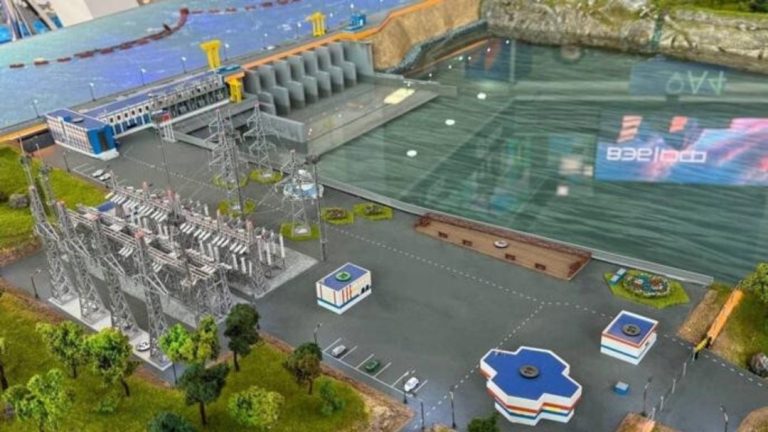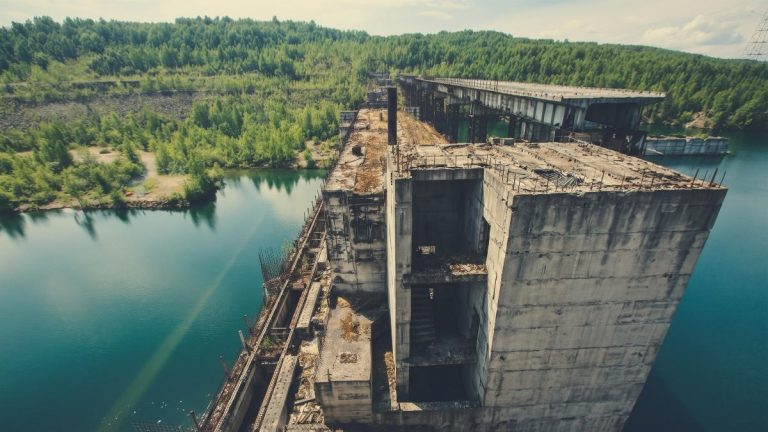
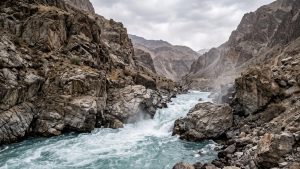

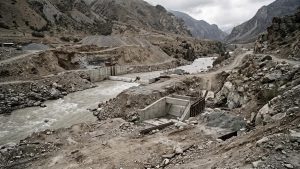
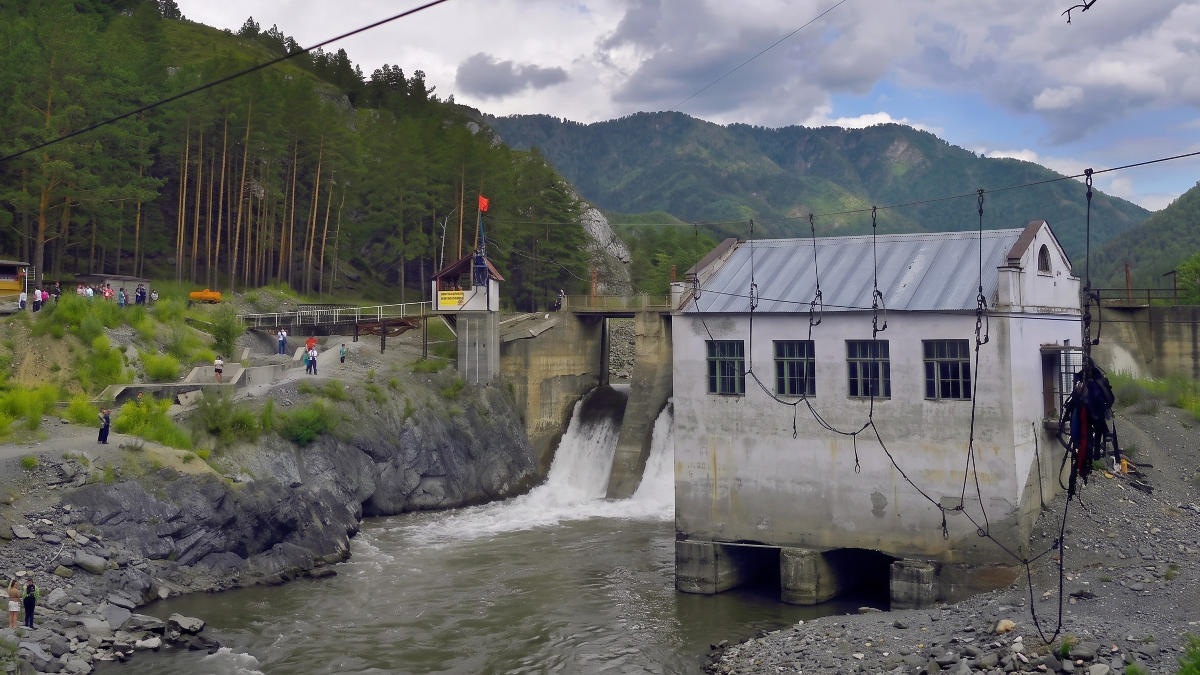
Russian authorities are reviewing proposals to revive two Soviet-era hydropower projects in the Altai Republic with a combined capacity of 1.9 gigawatts, according to regional officials and government documents. The Katunskaya and Chemalskaya plants, estimated to cost nearly 1 trillion rubles, are intended to resolve regional power deficits and support transport links connecting to China and the Arctic.
Regional head Andrei Turchak presented the initiative at an industry conference, emphasizing the need for baseload generation in a territory that currently depends heavily on solar power. The Altai Republic recorded more than 1,000 power outages during the summer of 2026, affecting small settlements and district centers. Regional authorities also indicated that reservoir management could help mitigate seasonal flooding in major downstream Siberian cities, including Novosibirsk, Surgut, and Khanty-Mansiysk.
Under the preliminary plan, the 1.6-gigawatt Katunskaya plant would generate approximately 6.08 billion kilowatt-hours annually, with construction costs estimated at 800 billion rubles in 2026 prices. The project was initially frozen in the 1990s due to environmental opposition and economic concerns. The companion 300-megawatt Chemalskaya facility, estimated at 138 billion rubles, would act as a counter-regulator to smooth water flow variations from the upper reservoir while producing 1.19 billion kilowatt-hours per year.
The hydro assets are also tied to federal transport strategies. Water management along the Ob River cascade could maintain navigation depths for commercial river traffic of up to 40 million metric tons annually, providing Siberian bulk commodities such as coal, grain, and peat with access to the Northern Sea Route. Regional authorities also anticipate that the generating capacity would electrify a planned railway link from Biysk through the Altai mountains to western China.
Russian Deputy Prime Minister Alexander Novak has instructed the Energy Ministry to evaluate adding both projects to the national power sector development scheme through 2042 by February 15, 2027. The ministry noted that any approval will depend on long-term energy balance projections and investment returns, particularly as industrial delays across the country have raised concerns about overestimating future electricity demand.
Realization of the projects will ultimately require specialized regulatory backing. Sergei Kondratyev, chief engineer at state-controlled hydropower producer RusHydro, noted that the government is drafting capacity supply agreements tailored to hydropower assets to guarantee investment recovery. The country’s power grid operator declined to comment on the initiative.