
An international coalition of more than 110 non-governmental organizations has called on World Bank Group President Ajay Banga to halt financing for large hydropower plants in high-altitude mountain regions, citing heightened risks linked to climate change. The appeal follows a disaster in Nepal, which activists described as a warning for major dam initiatives in Central Asia, including the Rogun project in Tajikistan.
In late August, a glacial and rock avalanche triggered flash floods in Nepal’s Bhote Koshi and Trishuli valleys. Nepalese government data indicated that more than 1,450 people died and over 5,200 remained missing by late September, including roughly 500 workers and engineers at the 650 million dollar Upper Trishuli-1 project, financed by a consortium led by the World Bank. The flooding damaged 13 power stations, resulting in an estimated 1 billion dollars in direct losses and a projected 2.5 billion dollars required for energy sector recovery.
Environmental groups said climate warming accelerates glacial melt and permafrost degradation, increasing the likelihood of glacial lake outburst floods. Independent experts had documented safety concerns and hazardous incidents at the Upper Trishuli-1 site in 2024 and 2025, but project sponsors proceeded without adequate climate resilience measures.
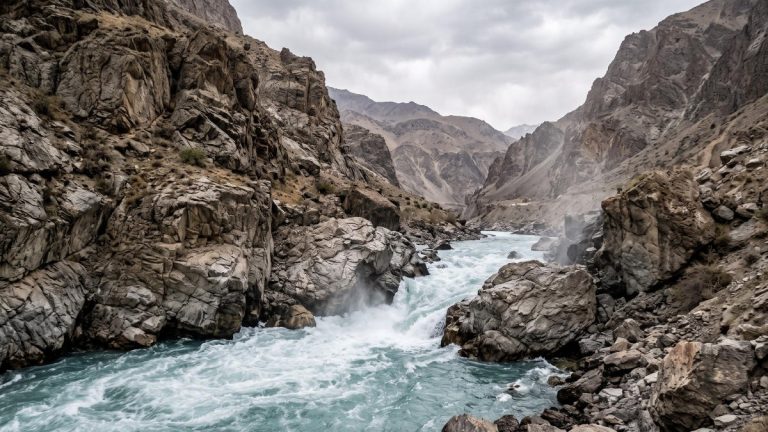
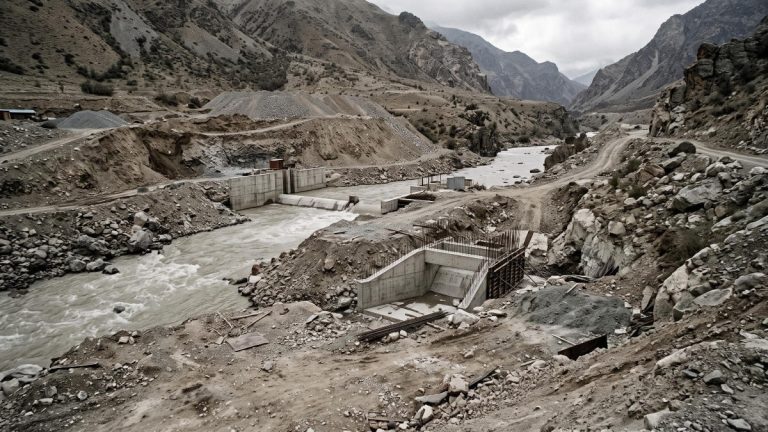
The coalition warned that similar hazards threaten Central Asia, where regional governments and multilateral lenders are advancing large-scale hydropower investments. The letter focused on Tajikistan’s Rogun plant on the Vakhsh River, which is designed to feature a 335-meter rockfill dam that would be the world’s tallest.
In autumn, Tajikistan’s parliament approved a 300 million dollar World Bank grant for the second construction phase of Rogun, raising the bank’s total commitment to 650 million dollars. Regional authorities anticipate securing another 3 billion dollars from additional donors. Environmental monitors stated that capital is being allocated in a seismically active zone with volatile river discharge before the completion of comprehensive environmental impact assessments, transboundary reviews, and downstream evacuation plans.
Similar concerns surround other regional proposals, such as the Kambarata-1 project in Kyrgyzstan. The NGO coalition called for a moratorium on financing large dams across the Himalayas, Pamirs, and Hindu Kush until independent river basin risk assessments are carried out. The groups recommended redirecting development capital toward solar, wind, small hydropower, and battery storage systems.