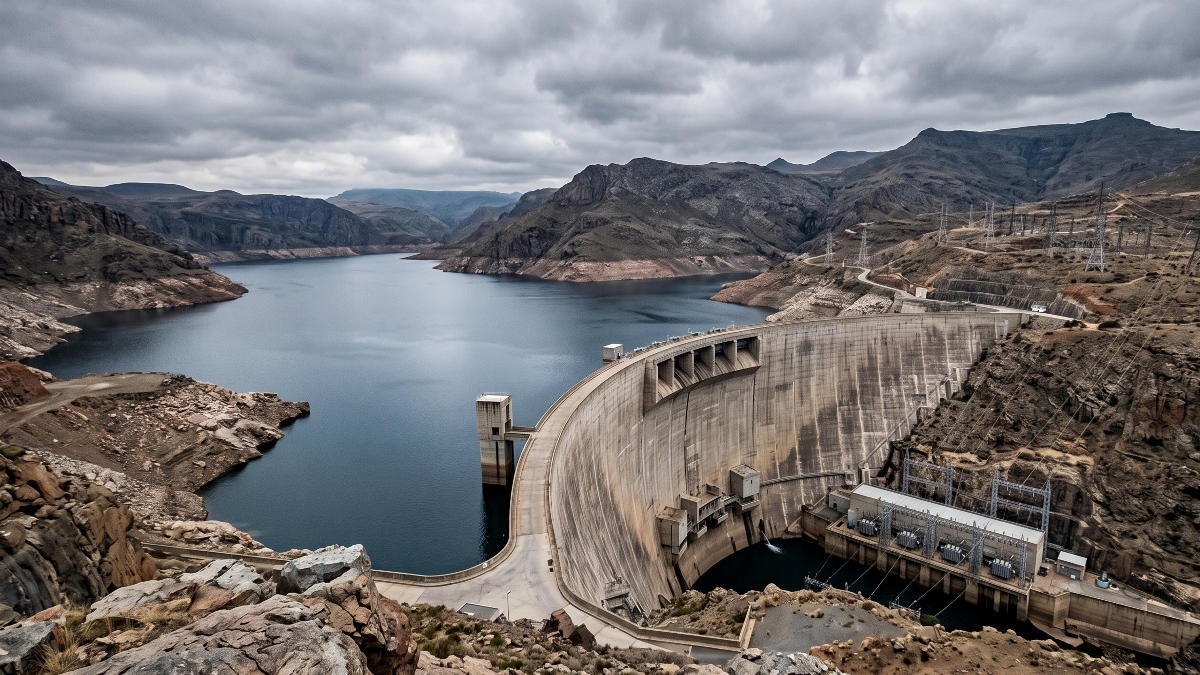
Russian lawmakers have rejected a government proposal to use state funds to build reservoirs for new hydroelectric plants, forcing the sector to rely on market-based mechanisms to fund its expansion plans. The State Duma energy committee ruled that direct budget funding is currently impractical, aligning with the finance ministry which had previously blocked the initiative due to the national budget deficit.
The proposal, championed by the energy ministry, aimed to have the state cover the costly preparation of reservoir sites. Deputy Energy Minister Evgeny Grabchak argued that because reservoirs serve multiple public purposes, including municipal water supply and industrial use, the state should bear the primary financial burden. Under the current system, these costs fall entirely on generating companies such as the state-controlled RusHydro.
Developing reservoir sites remains the most expensive and technically challenging phase of building new hydroelectric facilities. Industry officials warn that requiring investors to absorb all these upfront costs reduces the economic incentives to build, particularly for large-scale projects planned in remote regions.
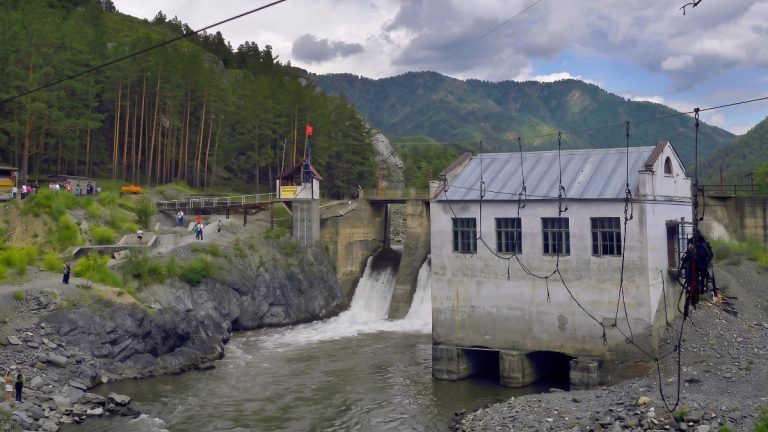
Russia currently has nearly 53 gigawatts of installed hydropower capacity, accounting for just over 17 percent of its total electricity generation in 2025. The national energy development plan through 2042 calls for the construction of seven new hydroelectric stations and five pumped-storage plants, adding 7.5 gigawatts of capacity. This expansion includes projects in the Far East and Primorye regions.
Nikolay Shulginov, the head of the parliamentary energy committee, warned that even if the expansion plans are fully realized, Russia’s total hydropower capacity will reach only 60.5 gigawatts. He noted this is low by global standards and cautioned that the projects risk missing their target commissioning dates of 2031.
Instead of direct budget funding, lawmakers recommended that the government draft new legislation to simplify the legal and design processes for reservoir construction. To compensate investors, Russia plans to use wholesale electricity market mechanisms, including capacity supply contracts and competitive selection processes. Energy experts warn that without these alternative funding tools, the country’s long-term hydropower program will face severe financial deficits.