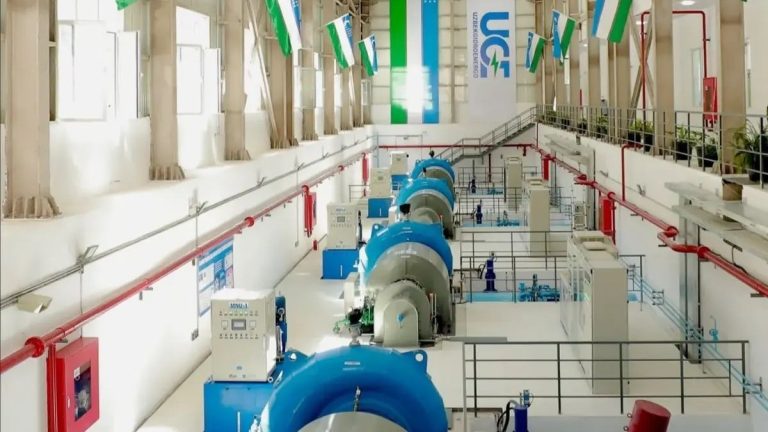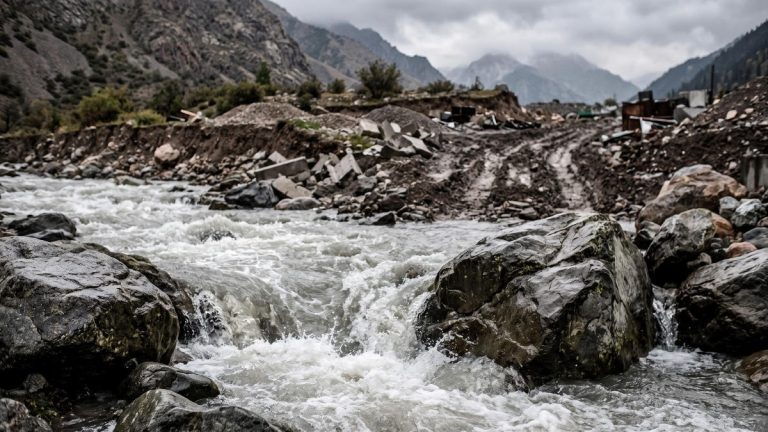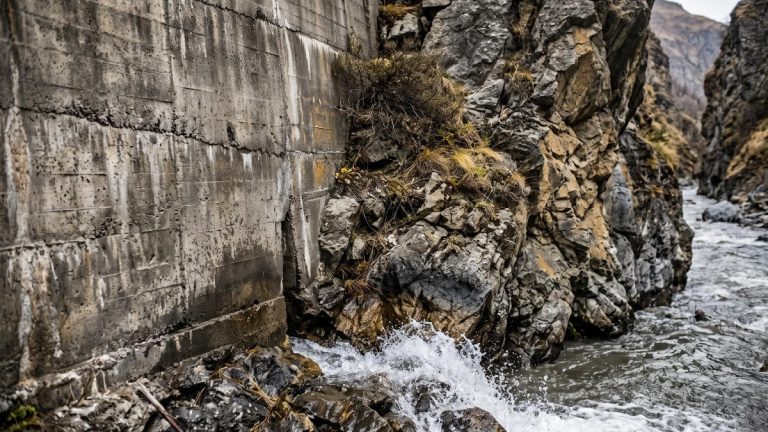

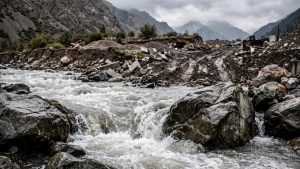
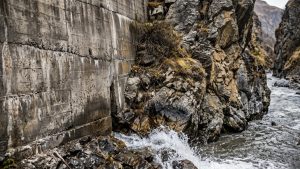
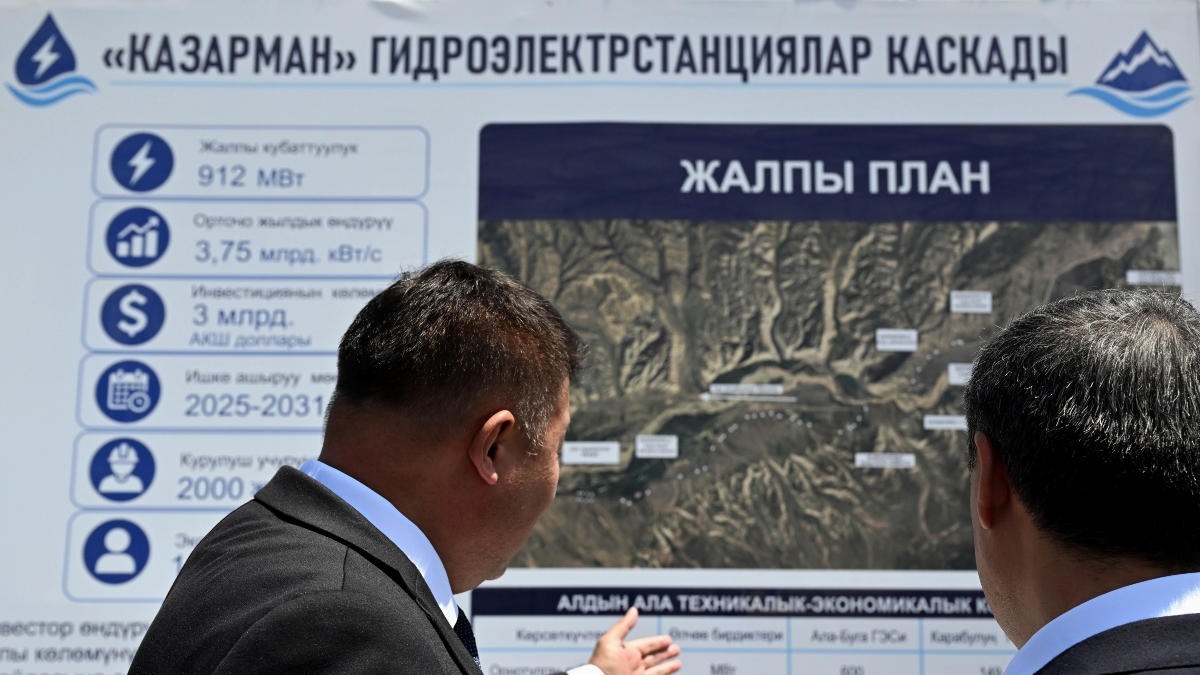
Kyrgyzstan has commenced construction of a $3 billion hydropower cascade in its southern Jalal-Abad region, the largest energy project in the country’s post-independence history. The Kazarman project is designed to address a widening domestic electricity deficit driven by rapid industrial expansion.
President Sadyr Japarov attended the ground-breaking ceremony in the Toguz-Toro district for the cascade, which will comprise three power plants named Ala-Buga, Kara-Bulun-1, and Kara-Bulun-2. The facilities will have a combined capacity of 912 megawatts and are expected to generate more than 3.75 billion kilowatt-hours of electricity annually when they become fully operational in 2031.
Financing for the initiative is structured under an investment agreement between the Kyrgyz government and Orto Azia Investment Holding, a development consortium that incorporates Turkish capital.
The Central Asian nation has struggled to match its power generation with rising demand, forcing it to increase winter electricity imports from 3 billion kilowatt-hours in 2020 to 4 billion kilowatt-hours currently. Rapid industrialization and the construction of new social infrastructure have consistently outpaced the expansion of the domestic power grid.
In response, Bishkek has accelerated its renewable energy drive. Over the past five years, Kyrgyzstan has commissioned approximately 50 small and medium-sized hydropower plants, with a similar number currently under development, including the 145-megawatt Chatkal cascade. The country is also developing solar and wind projects alongside the major Kambarata-1 hydropower facility.
Kyrgyz authorities expect the simultaneous launch of the Kazarman cascade and Kambarata-1 in the 2030s to reshape the regional energy balance. The government aims to secure self-sufficiency for its domestic population and industrial sector, while resuming electricity exports to neighboring states in Central Asia.