
The World Bank board of directors has approved a 300 million dollar grant to fund the construction of the Rogun hydropower plant in Tajikistan, the largest renewable energy project in Central Asia. The funding aligns with the national development strategy of the country, which aims to complete the long-delayed project through international partnerships.
Upon completion, the Rogun station is expected to resolve the chronic seasonal electricity shortages that have affected Tajik consumers for decades. Tajik authorities also plan to use the additional generation capacity to modernize the regional electricity grid and bolster the national economy against the impacts of climate change.
The scale of the project requires substantial financial resources. The Tajik Ministry of Finance estimates the total cost of Rogun at approximately 6.2 billion dollars. For 2026 alone, the government has budgeted more than 1 billion dollars for construction, with 480 million dollars coming from the state budget and 530 million dollars targeted from external lenders, primarily international financial institutions.
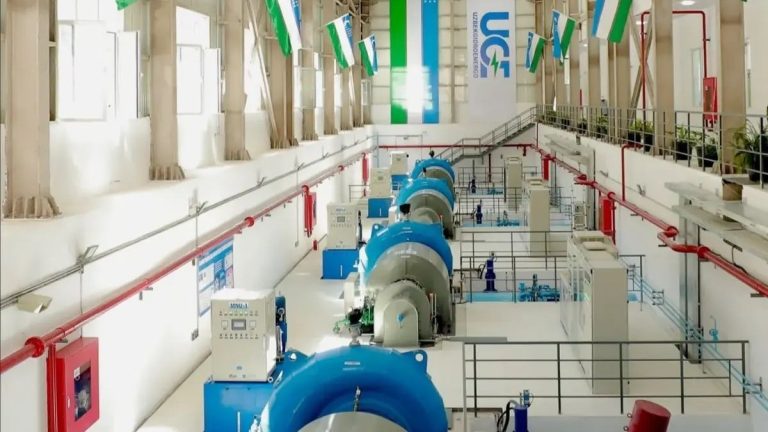
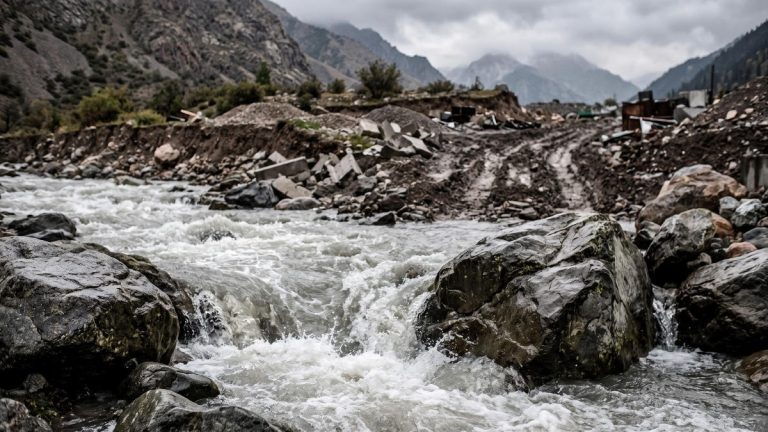
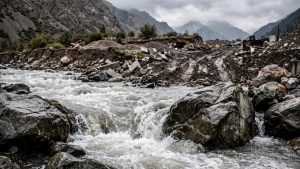
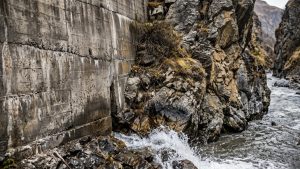
Located on the Vakhsh River about 110 kilometers from the capital city of Dushanbe, the Rogun project began during the Soviet era in 1976. Work was suspended for decades following the dissolution of the Soviet Union. The final design features six generating units with a capacity of 600 megawatts each. Two of these units, commissioned in 2018 and 2019, have already supplied 10 billion kilowatt-hours of electricity to the national grid.
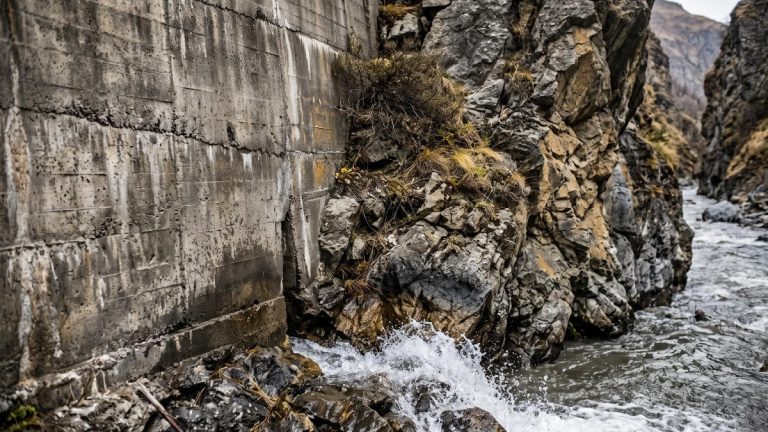
The construction schedule spans several more years, with Tajik President Emomali Rahmon previously stating that the third generating unit is scheduled to start operating in September 2027. Once all six turbines are online, the plant will have a total capacity of 3.78 gigawatts. The project also features a 335-meter-high earth-fill dam (the tallest structure of its type in the world) to support the reservoir.