

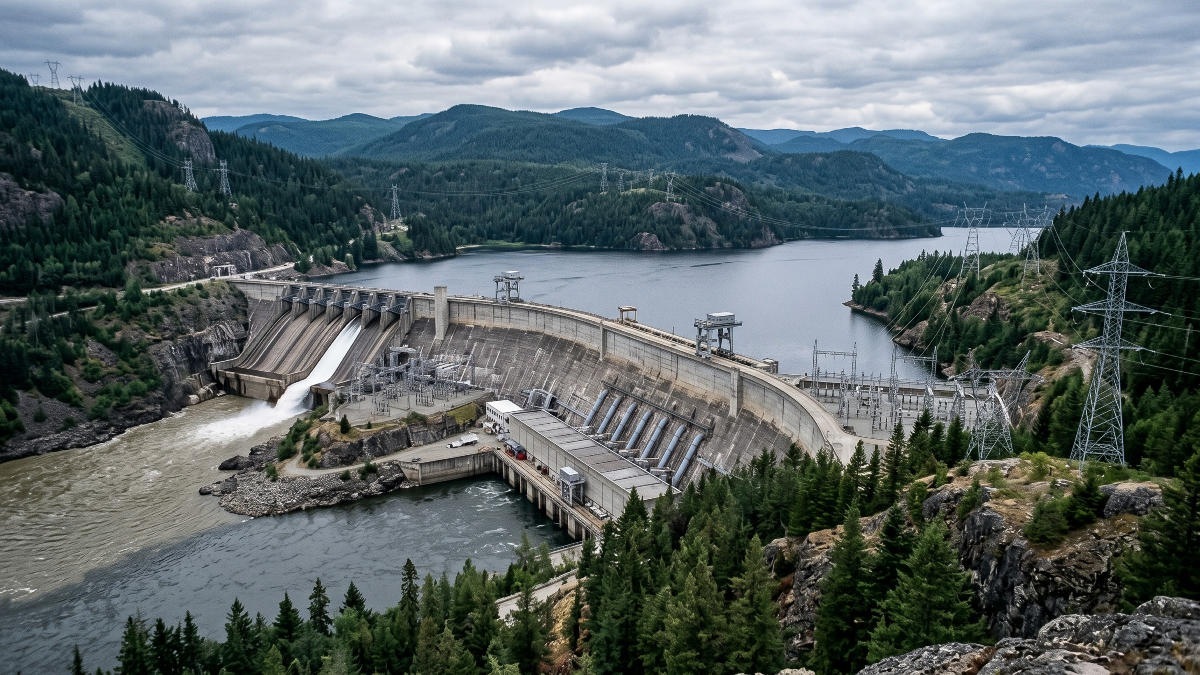
Russia plans to build six new hydropower plants with a combined capacity of 3.77 gigawatts in its Far Eastern region by 2042, part of a long-term strategy to expand regional generation and support industrial demand.
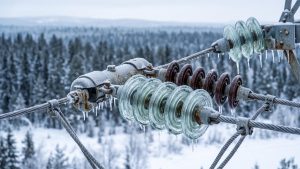
Alexei Chekunkov, the minister for the development of the Russian Far East and Arctic, outlined the initiative during the Eastern Economic Forum. The broader program also includes two new nuclear power plants with a total capacity of 3.2 gigawatts by 2042. Integrating these hydro and nuclear facilities into the power grid will require the installation of 4,000 kilometers of new transmission lines.
Because large hydropower and nuclear projects require extended construction timelines, the region will rely on fossil fuel generation to meet industrial power needs over the medium term. Authorities plan to add 8.3 gigawatts of thermal capacity by 2030, including 3.5 gigawatts from coal-fired plants and 1.9 gigawatts from natural gas facilities. An initial grid expansion of 6,000 kilometers of power lines is scheduled for completion before the end of the decade.
The targets are part of a draft power sector development program through 2050, which is under review by the Russian federal government. Regional authorities aim to establish capacity reserves to ensure a stable electricity supply for planned industrial clusters and commercial investments.