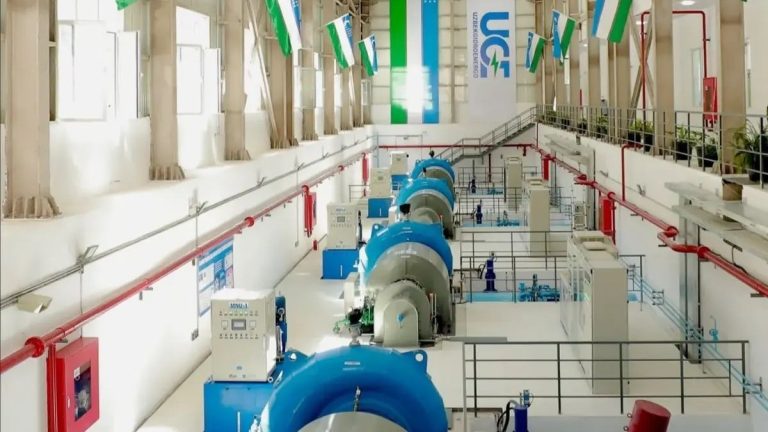



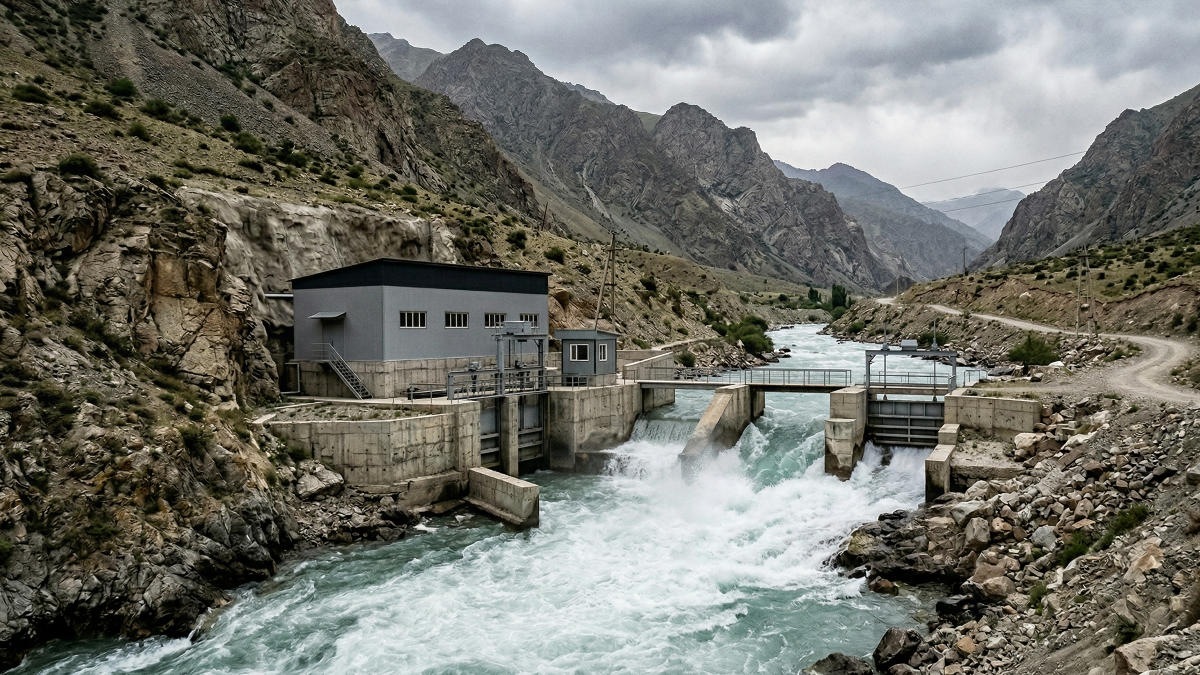
The Kyrgyz parliament has approved legislation to increase the maximum capacity threshold for small hydropower plants from 30 to 50 megawatts. This change, which passed its final reading in the Jogorku Kenesh, is designed to stimulate investment in the renewable energy sector and allow for larger projects that were previously restricted by lower capacity caps.
Energy Minister Taalaibek Ibraev stated that the previous 30-megawatt limit often made construction projects on mountain rivers economically unviable for investors. By increasing the threshold to 50 megawatts, the government aims to attract more domestic and foreign capital while facilitating the adoption of advanced turbine technologies. Official documentation suggests these larger small-scale facilities can be integrated into the national grid without compromising stability.
The legislative adjustment addresses the specific geographical conditions of Central Asia, where power generation relies heavily on seasonal river flows and large-scale reservoir management. Small-scale plants offer a way to decentralize the national grid and reduce dependence on centralized infrastructure. This strategy is particularly relevant for the region as it manages fluctuating water levels in its primary river systems.
Data from the past year shows a shift toward smaller generation units. In 2023, Kyrgyzstan commissioned eight small hydropower plants with a combined capacity of 44.59 megawatts, contributing approximately 400 million kilowatt-hours to the national supply. Market observers expect the new capacity limit to accelerate growth in this segment as projects that were once considered too large for the small-scale category become eligible for development.