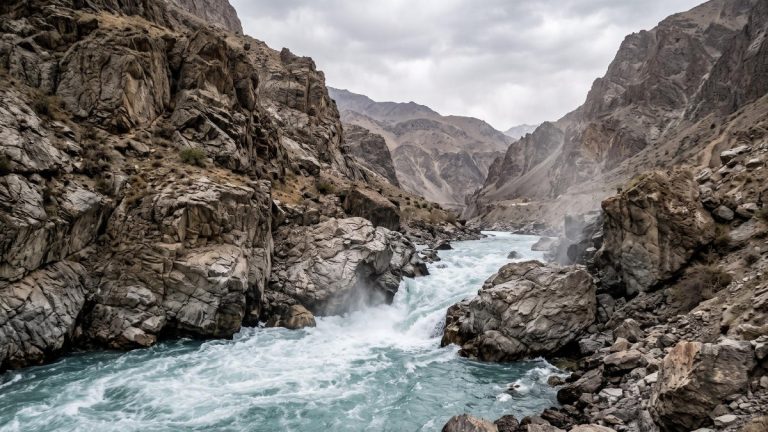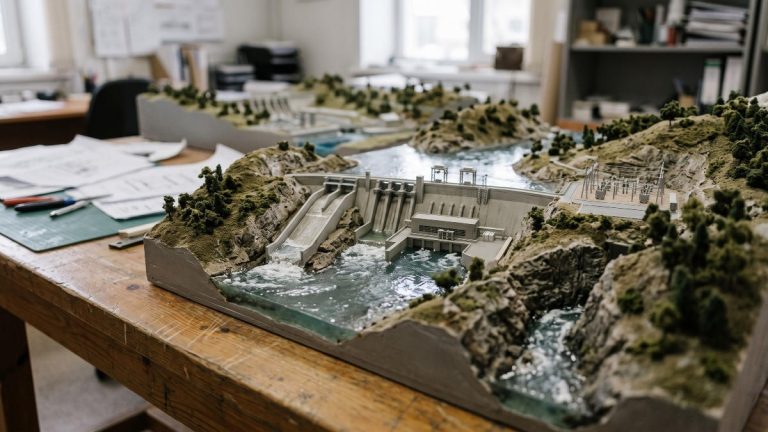
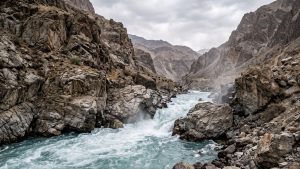

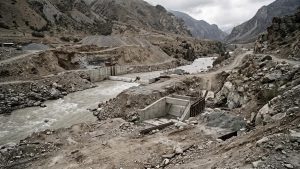
The Asian Development Bank (ADB) has not yet reached a final decision on financing the construction of the Rogun hydropower plant in Tajikistan. The project has faced scrutiny from international non-governmental organizations over environmental risks and the impact on local residents who would be relocated.
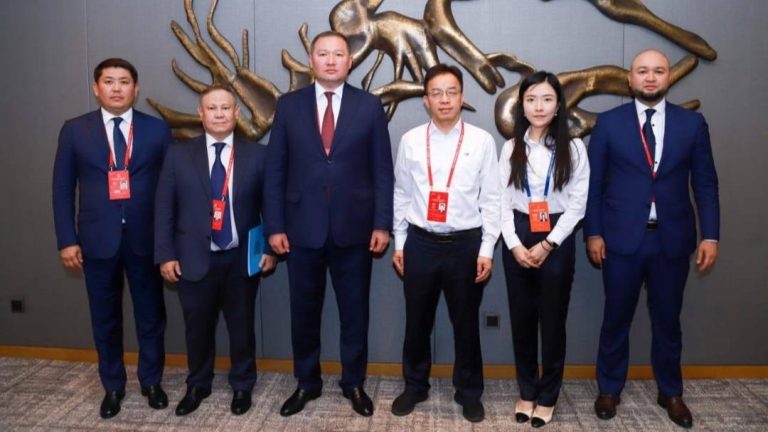
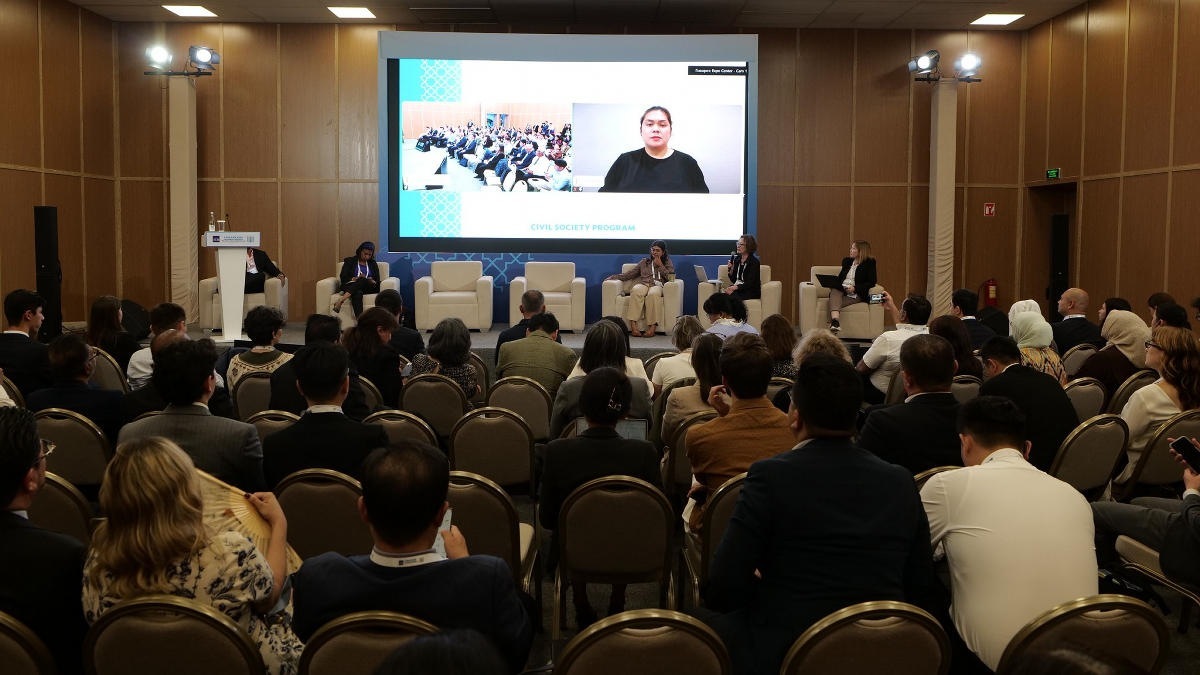
Discussions regarding the project took place at the ADB annual meeting in Samarkand, where civil society representatives questioned the transparency of the funding process. Evgeny Simonov, a coordinator for the Rivers without Boundaries coalition, stated that environmental assessments prepared by the World Bank contain gaps and do not address the project’s effects on Central Asian water ecosystems. There is concern that the ADB could employ a mutual reliance mechanism, allowing it to approve the loan based on existing documentation from other institutions rather than conducting its own independent oversight.
Completion of the dam on the Vakhsh River involves the resettlement of 50,000 to 60,000 Tajik citizens. Petr Hlobil of the Bankwatch Network noted that grievance mechanisms for these residents might not operate transparently (noting that attempts to contest compensation could be difficult within the country’s existing political environment). Standard international safeguards against reprisals may prove difficult to apply in a context where civil society faces strict controls.
Bruce Dunn, who leads the ADB safeguards department, confirmed that the board of directors has yet to consider the project. He noted that the bank does not plan to use an expedited mutual reliance procedure for a project of this scale. Instead, participating investors will work to establish a unified set of safety and environmental requirements that the Tajik government must legally adopt to proceed.