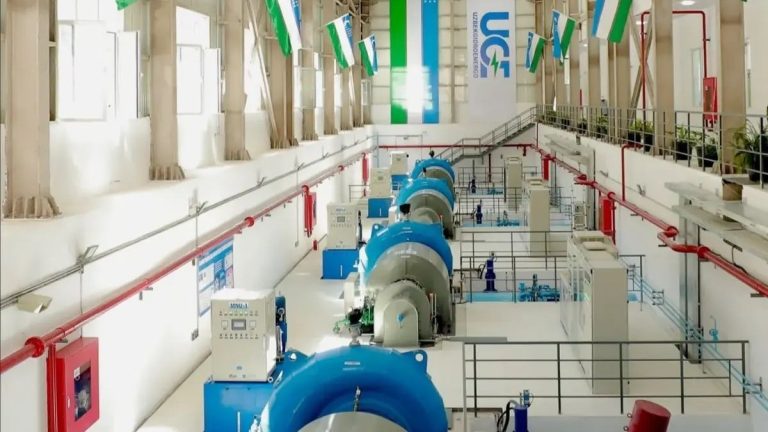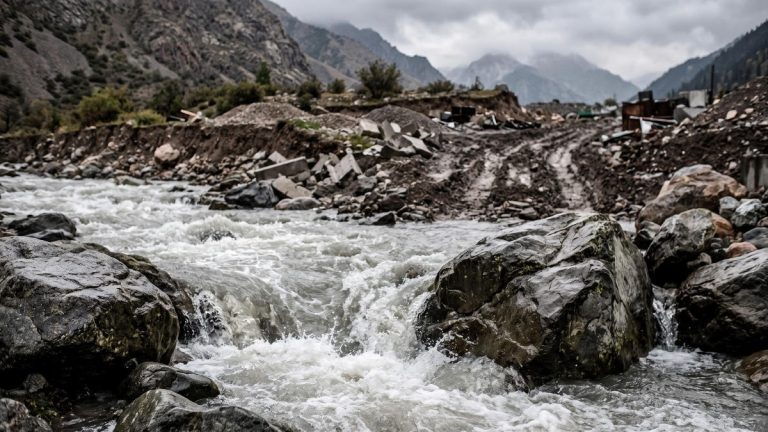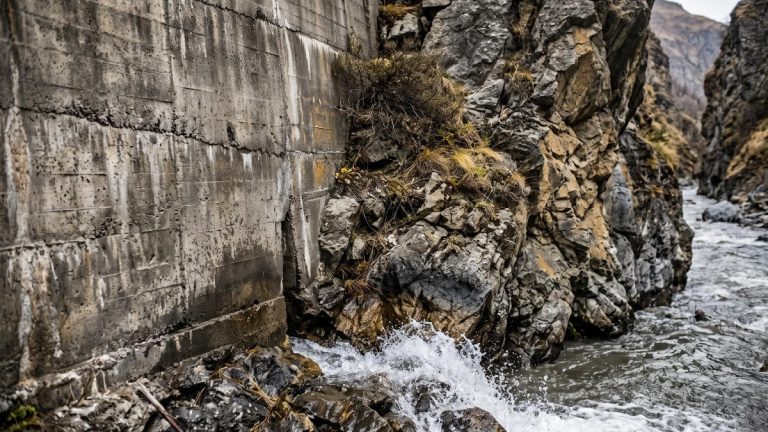


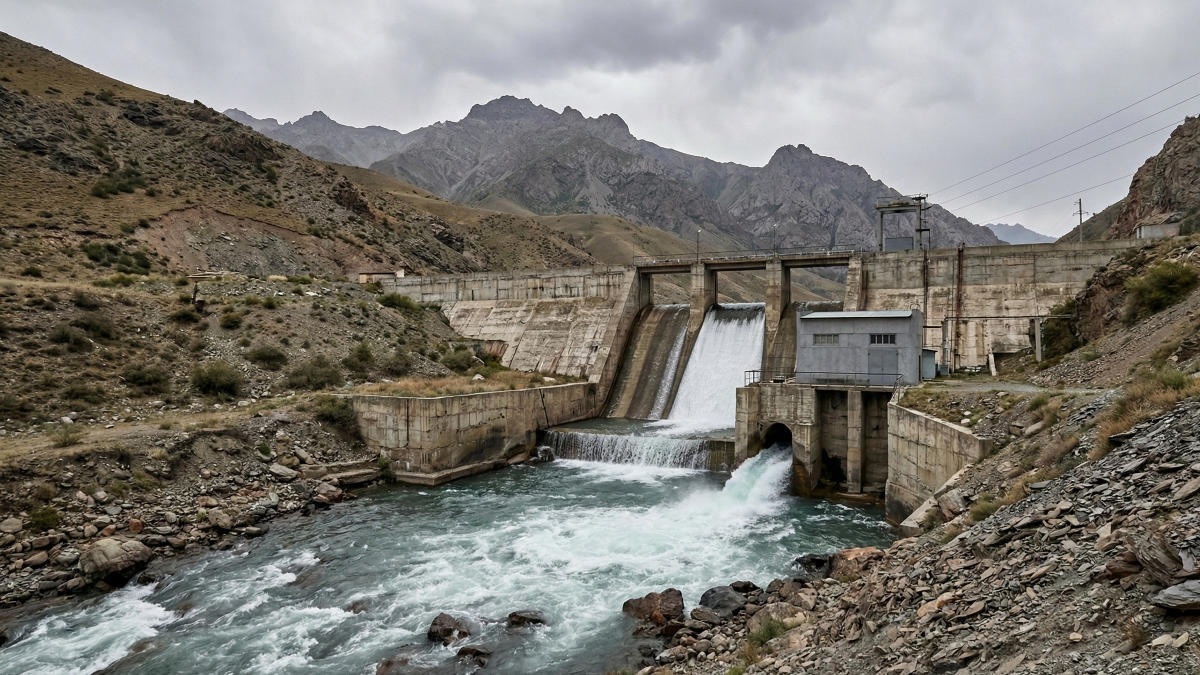
Authorities in East Kazakhstan have identified 95 potential sites for small-scale hydropower plants as part of a regional strategy to decentralize power generation and improve energy security. These projects focus on compact facilities designed for minimal environmental impact while meeting localized electricity demands.
The development targets mountainous areas where power supply stability remains a challenge. Regional officials aim to reduce pressure on the national grid and create capacity for industrial expansion. This initiative aligns with broader national efforts to increase the share of renewable sources in Kazakhstan’s energy mix, which relies heavily on coal.
Over the next five years, the provincial administration plans to oversee the construction of nine hydropower stations with a combined capacity of approximately 149 megawatts. The first project – a 1.4-megawatt plant in the Ulken-Naryn district – is scheduled for completion by 2027, according to Rauan Turarov, deputy head of the regional energy and housing department.
East Kazakhstan is a primary focus for such projects because it contains roughly half of the country’s total water resources. Utilizing this hydrological potential is viewed as a key step in mitigating power shortages in remote settlements and supporting the regional economy.