

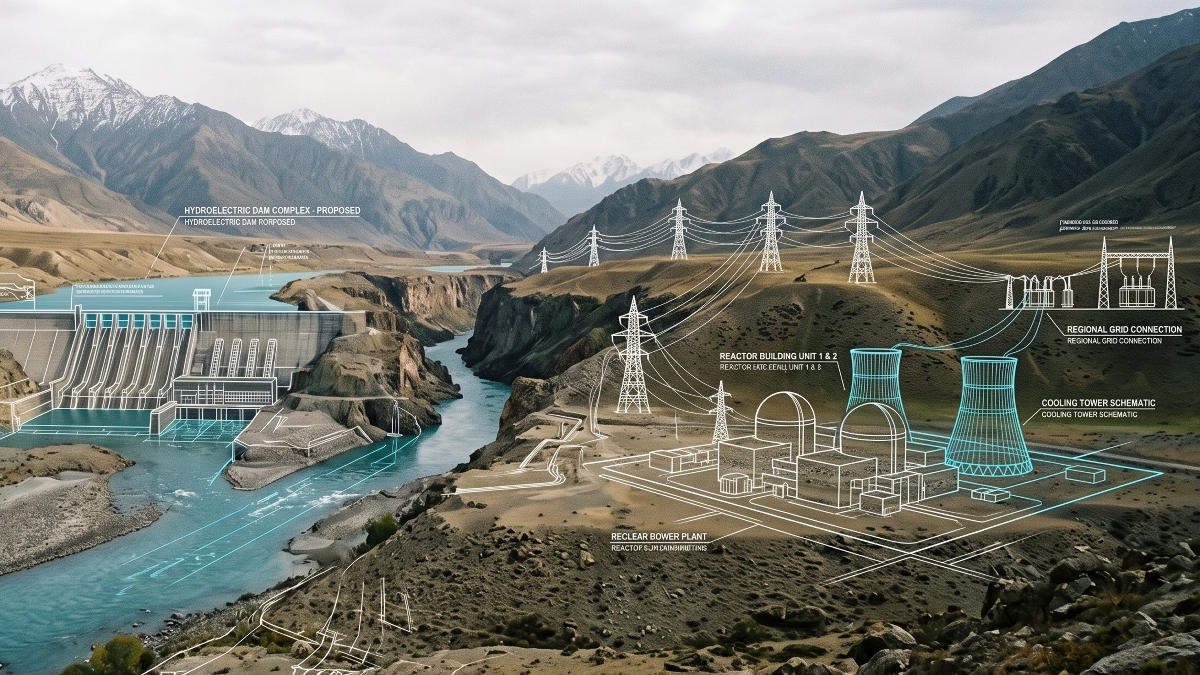
A combined energy system integrating planned nuclear generation in Kazakhstan and Uzbekistan with hydropower capacity in Kyrgyzstan and Tajikistan could revitalize Central Asia’s regional power grid, according to Artem Novikov, chairman of the Russian-Kyrgyz Development Fund. Speaking at an off-site session of the Primakov Readings conference, Novikov outlined a framework aimed at establishing a unified regional electricity market.
The proposed model relies on combining nuclear power plants, which deliver stable baseload electricity, with flexible hydropower resources from mountain rivers and reservoirs. Hydropower units can adjust output within minutes to manage daily demand fluctuations, allowing regional countries to address seasonal supply shortages through cross-border power flows.
Establishing a full-scale regional market will require transitioning from short-term bilateral trade contracts to standardized energy trading mechanisms. Implementation would depend on upgrading cross-border transmission lines and synchronizing dispatch schedules across the national power grids of participating states.
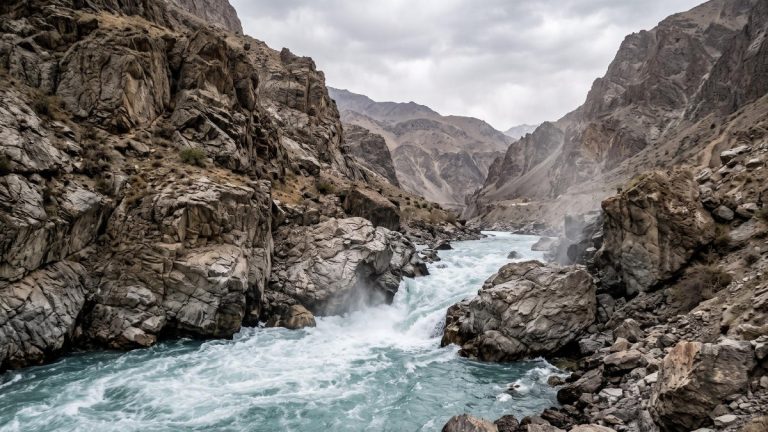
The Kambarata-1 hydroelectric project on the Naryn River, jointly developed by Kyrgyzstan, Kazakhstan, and Uzbekistan, is planned as a primary hydropower asset within this integrated system. In addition to generating electricity, the plant’s reservoir is intended to regulate river flows to support downstream agricultural water needs during dry periods.