
Engineers at the Moscow Power Engineering Institute have developed a mobile hydroelectric unit to provide power to remote and inaccessible regions. The system utilizes natural river currents for electricity generation, eliminating the need for dam construction or the creation of reservoirs. The project targets local grids in isolated settlements, tourism sites, and remote industrial outposts where traditional power infrastructure is not economically feasible.
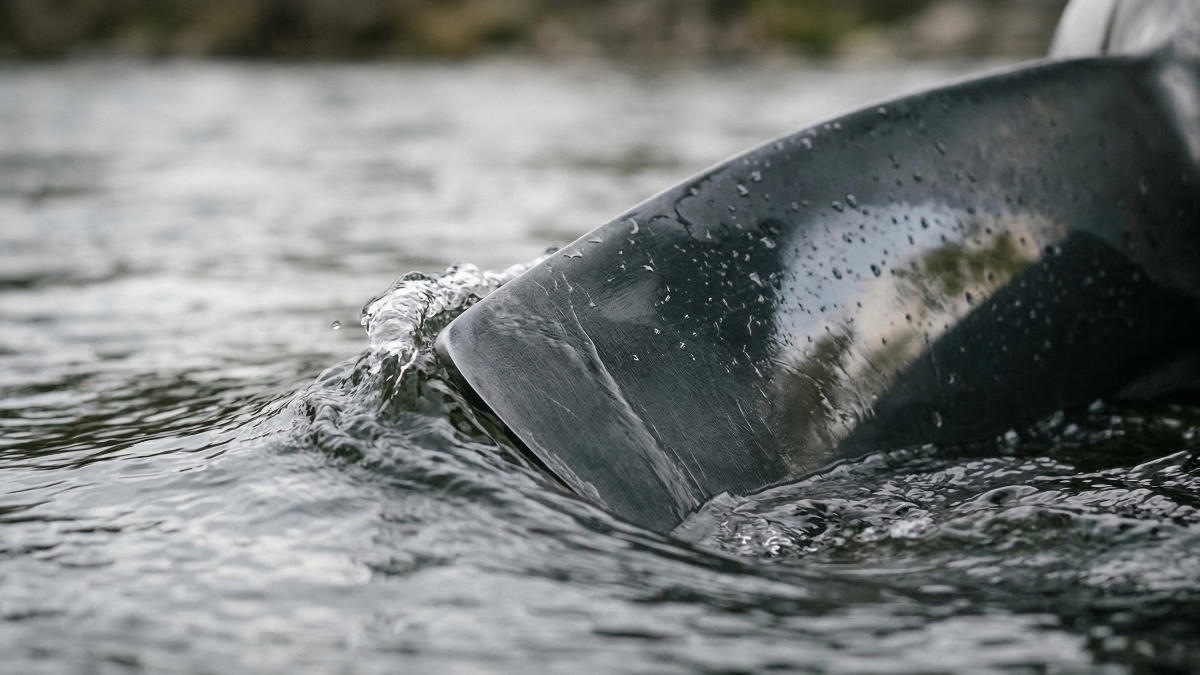
The unit employs a free-flow turbine design that functions similarly to an underwater wind generator. In contrast to stationary models fixed to the riverbed, the apparatus allows for adjustments to the shaft angle to adapt to specific flow characteristics. According to the development team, the ability to modify the rotation axis increases energy yield by 5–10 percent over symmetrical designs. The unit also features a specialized hydrodynamic blade profile and rotatable blades to optimize efficiency.
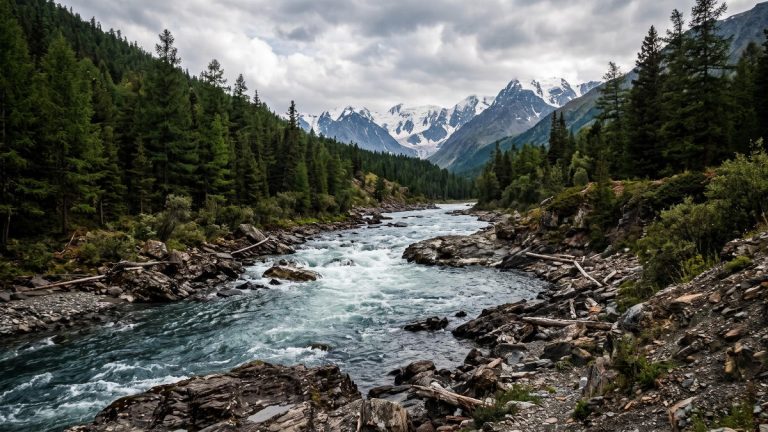
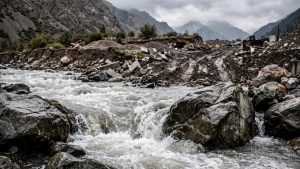
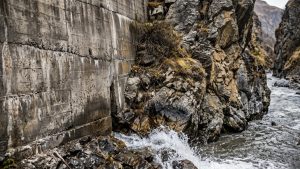
Energy supply to remote settlements is a recurring infrastructure challenge in regions with vast territories. These areas typically depend on diesel generators, which necessitate regular fuel deliveries across difficult terrain. This technology utilizes the kinetic energy of small rivers to provide a consistent power supply without disrupting the local ecosystem or obstructing the river’s natural flow.
The project was conducted by a research group under Alexander Lyamasov as part of the Priority 2030 federal program. Nikolai Rogalev, rector of the institute, stated that the technical solution is intended to harness the largely unused energy potential of small rivers. The developers anticipate that these mobile complexes will be utilized both domestically and in international markets with comparable geographic conditions.