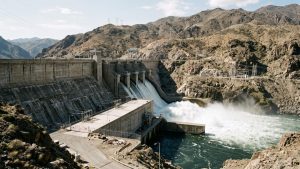

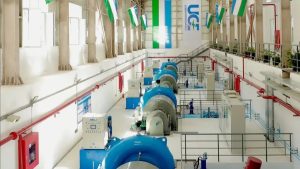
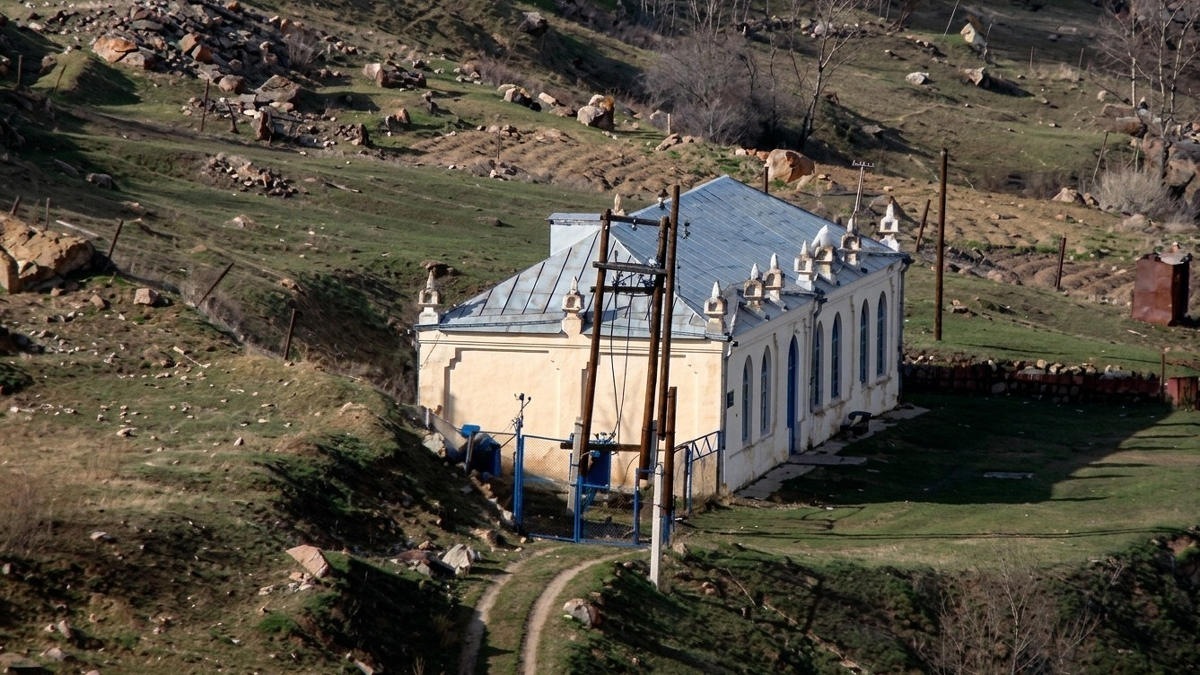
Russia has begun upgrading the Kurush hydroelectric station in the southern republic of Dagestan, turning the facility into the country’s first hybrid small hydro plant equipped with battery storage. The upgrade will double the plant’s peak capacity to one megawatt without requiring dams or land flooding.
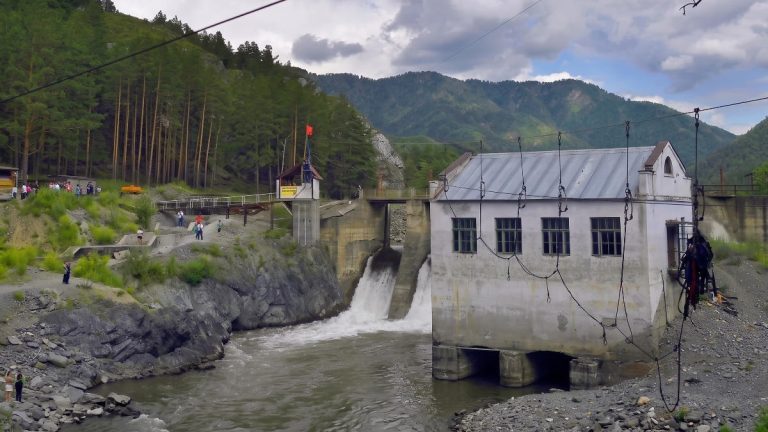
Built in 1951 to power remote mountain communities, Kurush is the oldest operational hydroelectric plant in Dagestan. Unlike conventional run-of-river installations, the facility is fed by mountain springs rather than river runoff and operates Pelton turbines originally brought to the Soviet Union from Germany as post-war reparations. While thousands of similar small plants across the Soviet Union were decommissioned as centralized power grids expanded, Kurush remained in service.
A major overhaul carried out between 2024 and 2025 used reverse engineering and three-dimensional scanning to manufacture replacement parts at local industrial sites. The facility is now serving as a testing ground for decentralized energy technologies.
The project involves installing a 500-kilowatt energy storage system, power inverters, and a 20-kilowatt solar module. Conventional small hydro plants lack reservoirs to hold water, leaving their output directly dependent on seasonal flows.
Arthur Alibekov, head of Dagestan’s renewable energy development project office, said battery systems and inverters now provide the grid regulation capacity that previously required large dams and reservoirs.
Under the new configuration, electricity generated by the turbines will be stored and fed into the grid during peak consumption hours, while the solar array will help offset lower hydro output during dry periods. The hybrid setup is intended to stabilize power supplies in remote mountain areas of Dagestan, where electricity consumption growth continues to outstrip the addition of new generation capacity. Developers plan to replicate the engineering model at other small hydro facilities across the country.