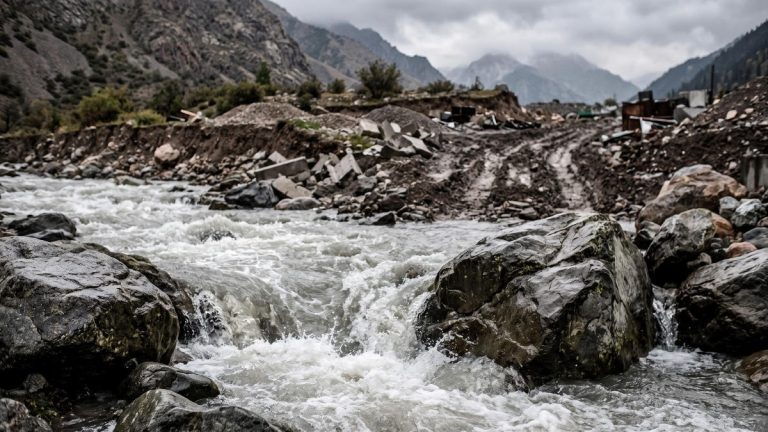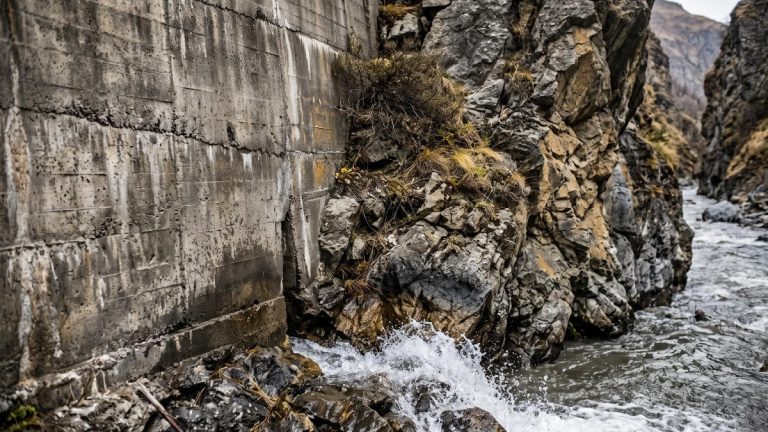




Uzbekistan’s state hydropower producer, Uzbekhydroenergo, has started evaluating the energy potential of high-altitude districts in the Surkhandarya region to expand renewable capacity. The move follows a directive from President Shavkat Mirziyoyev to identify new locations for power generation that maintain regional ecological balance.
A technical working group led by board chairman Islom Abdurakhmonov conducted aerial surveys of the Upper Topalang area, situated about 3,000 meters above sea level. The aerial study allowed engineers to assess terrain conditions and collect hydrological data to determine the viability of future construction.
Initial assessments indicate that the Upper Topalang basin is suitable for the Kishtut cascade – a planned project involving three hydroelectric stations with a total capacity of 80 MW. Development of infrastructure has already begun, including the construction of a 17.8-kilometer transmission line to connect the future stations to the national power grid via the Zarchob substation.
Topographical teams are working along the Upper Topalang River, and engineering units have been tasked with accelerating the construction of access roads. Preparing foundations for the hydraulic facilities will require drilling and blasting in rocky ground. Project designs must account for seasonal flow increases in the Mizot River.
The new facilities in Surkhandarya are intended to meet rising electricity demand from industrial plants and residential areas. By providing a more stable energy supply, the projects are expected to support regional economic growth and create employment during the construction stage.