
In Tbilisi, a conflict between media representatives and the hydropower industry resulted in a physical altercation following a debate on the Formula TV channel. The incident involved Gela Mtivlishvili, an investigative reporter, and Giorgi Margebadze, the head of the Georgian Small and Medium Hydro Power Plants Association. The interior ministry has opened an official investigation after Mtivlishvili sought medical attention for facial injuries.
Accounts of the event differ between the two parties. Mtivlishvili characterized the encounter as unprovoked aggression by an industry lobbyist. Margebadze did not deny the use of force in social media statements, though he claimed he acted in self-defense following insults and an attempted physical confrontation by his opponents. He concluded his remarks by reiterating the importance of hydropower development for the country’s economic success.
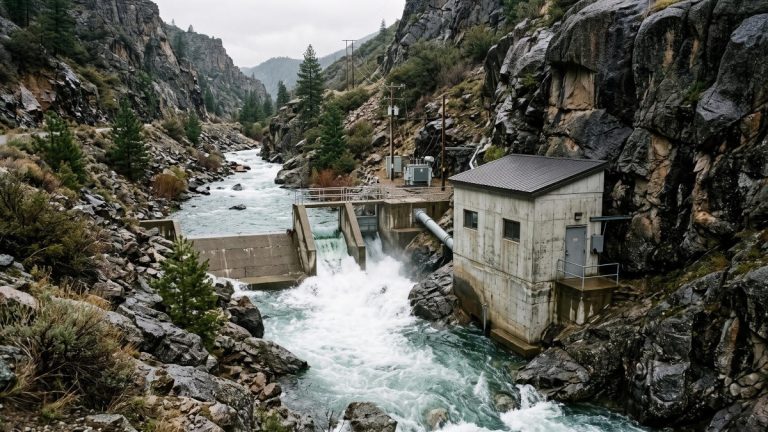
The dispute reflects ongoing systemic tension within the Georgian energy sector. Hydropower currently provides 85 percent of the national electricity demand, and the government is accelerating the introduction of new capacity to meet rising consumption. Officials intend to end energy imports by 2036 (a goal that relies heavily on small and medium hydropower plants). These projects are viewed as more efficient to complete and less likely to trigger the large-scale social resistance that halted previous major developments like the Namakhvani or Khudoni dams.
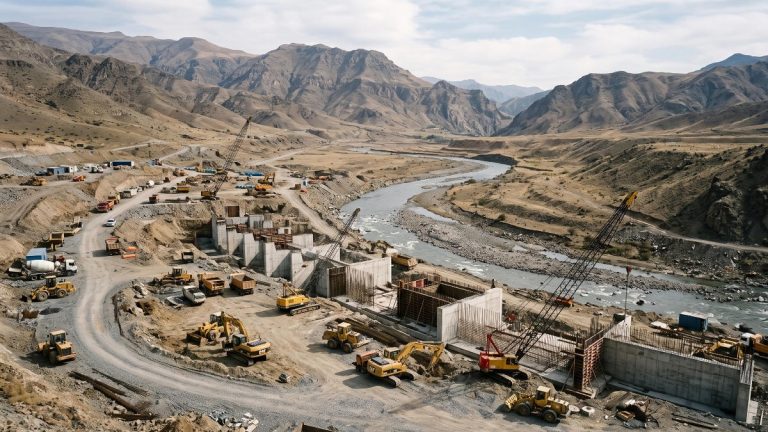
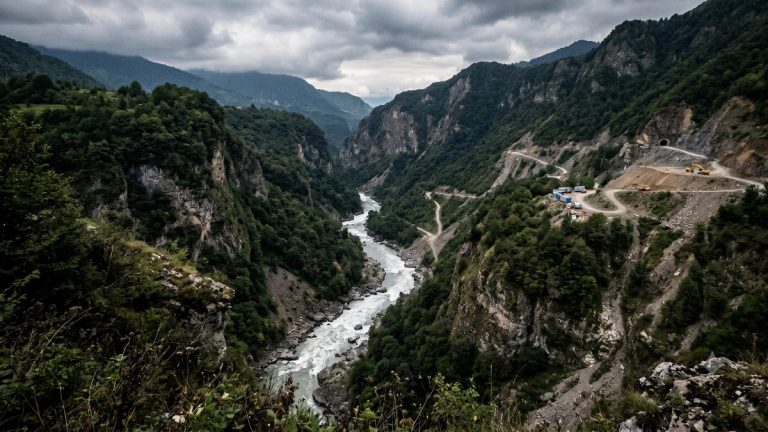
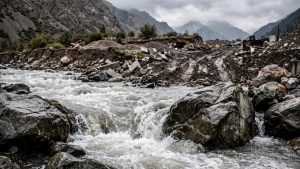
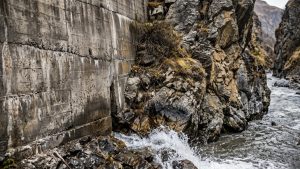
The government plans to launch 37 new plants in 2026, including the Stori cascade in the Kakheti region. However, the rapid development of river resources faces opposition from local communities and environmental organizations concerned about impacts on tourism and traditional lifestyles. Protests have occurred in areas such as the Vani district, where residents opposed a dam on the Sulori River. Investigative journalists continue to publish reports concerning transparency and potential irregularities in the issuance of construction permits for riverbed projects.