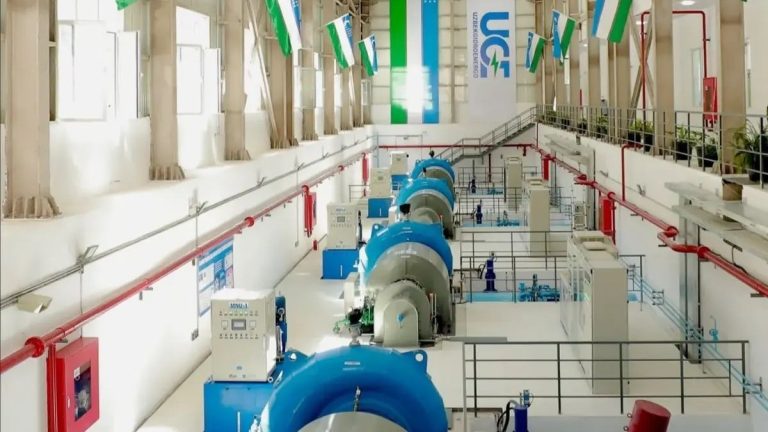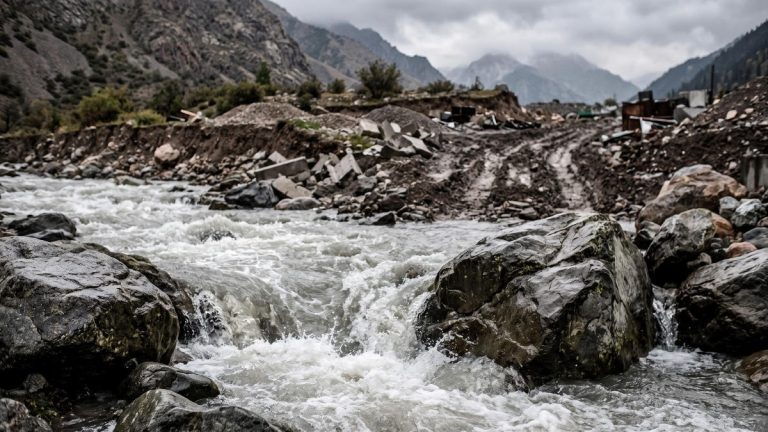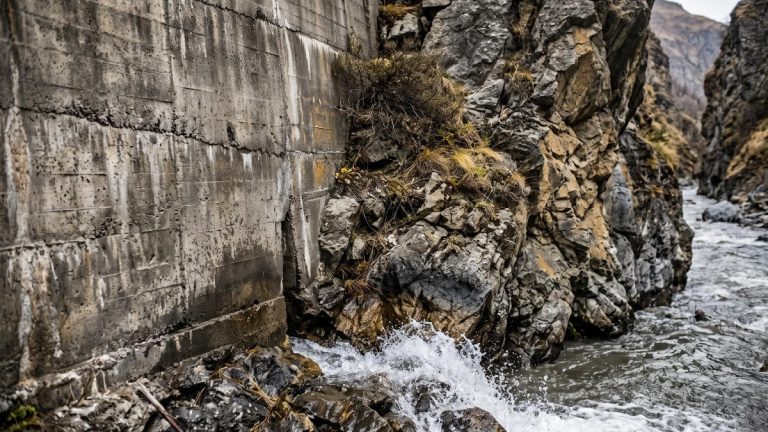
Tajikistan is accelerating negotiations with European engineering firms to secure equipment for its key hydropower plants, according to the country’s energy ministry. During a visit to Vienna, a Tajik delegation led by Energy and Water Resources Minister Daler Juma discussed the supply of hydro turbines for the modernization of the Nurek plant and the ongoing construction of the Rogun dam.
The delegation met with senior executives of Austrian engineering company Andritz Hydro, including Central Europe managing director Gerhard Kriegler and senior vice president Alexander Schwab. The talks focused on production and installation schedules for hydroelectric units destined for the Nurek plant. The modernization of Nurek, which provides the baseline electricity generation for Tajikistan, is intended to increase output and stabilize the national power grid.
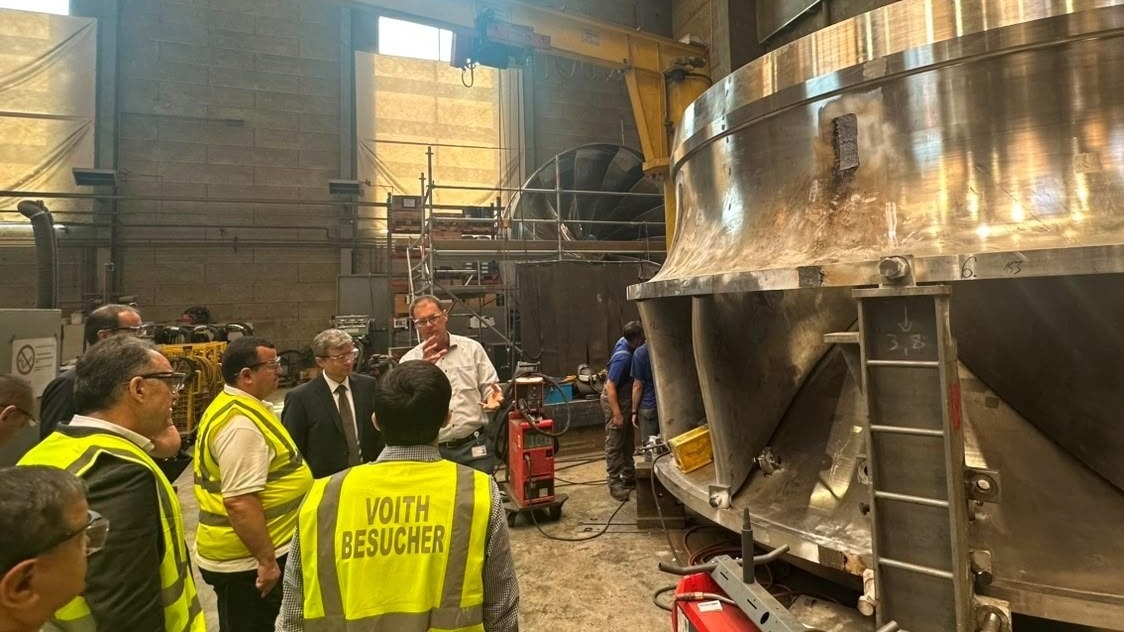
Tajikistan’s Economic Development and Trade Minister Abdurakhmon Abdurakhmonzoda joined the delegation for talks with Jan Lueder, the chief executive of Voith Hydro in Austria. The parties discussed the schedule for launching the next turbine unit at the Rogun hydropower plant, for which Voith is currently manufacturing a runner. The Rogun project is designed to significantly expand the Central Asian nation’s electricity production capacity.
During the Vienna visit, Juma also spoke at a panel discussion organized by the OPEC Fund for International Development. The minister announced that Tajikistan is close to completing its return to the unified Central Asian power grid. He also addressed transboundary water management and the development of renewable energy sources in the region.
To support these infrastructure developments, the Tajik delegation held talks with Sidi Ould Tah, the president of the Arab Bank for Economic Development in Africa, to discuss attracting further investment into the country’s hydropower sector. The talks covered measures to adapt energy systems to climate change and protect the regional economy from external shocks.