
Uzbekistan is overhauling its regulatory framework for small hydropower, introducing guaranteed feed-in tariffs and cutting construction oversight in an effort to revive delayed private investment in the sector. The updated strategy was reviewed by President Shavkat Mirziyoyev following a slower than expected rollout of small and micro hydro projects across the country.
The government had planned to develop approximately 3,000 small hydropower sites with a combined capacity of 164 megawatts. Progress has lagged behind targets, with only 64 facilities totaling 41.6 megawatts commissioned to date. Private developers have been secured for 932 projects, while a $150 million concessional credit facility supported by the World Bank has seen sluggish uptake.
Officials attributed the slowdown to unclear power purchase terms and excessive regulatory hurdles. Previous water rights auctions saw participants bid zero price, leading to abandoned projects. Under the new rules, the government will set guaranteed minimum purchase tariffs tied to plant capacity to ensure predictable returns for investors.
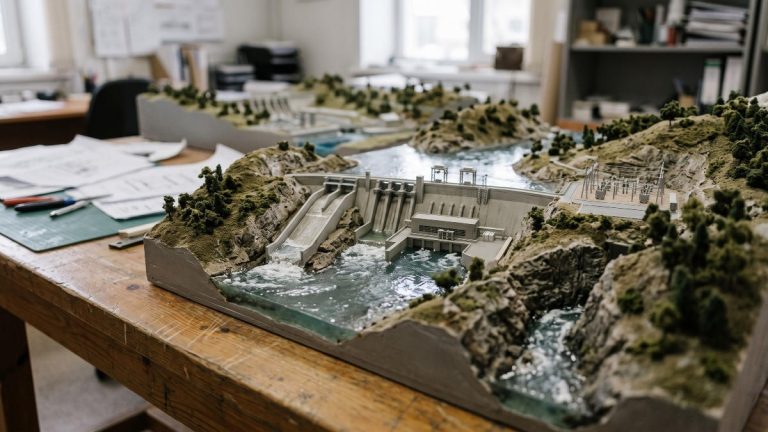
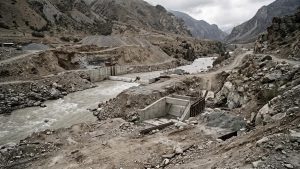
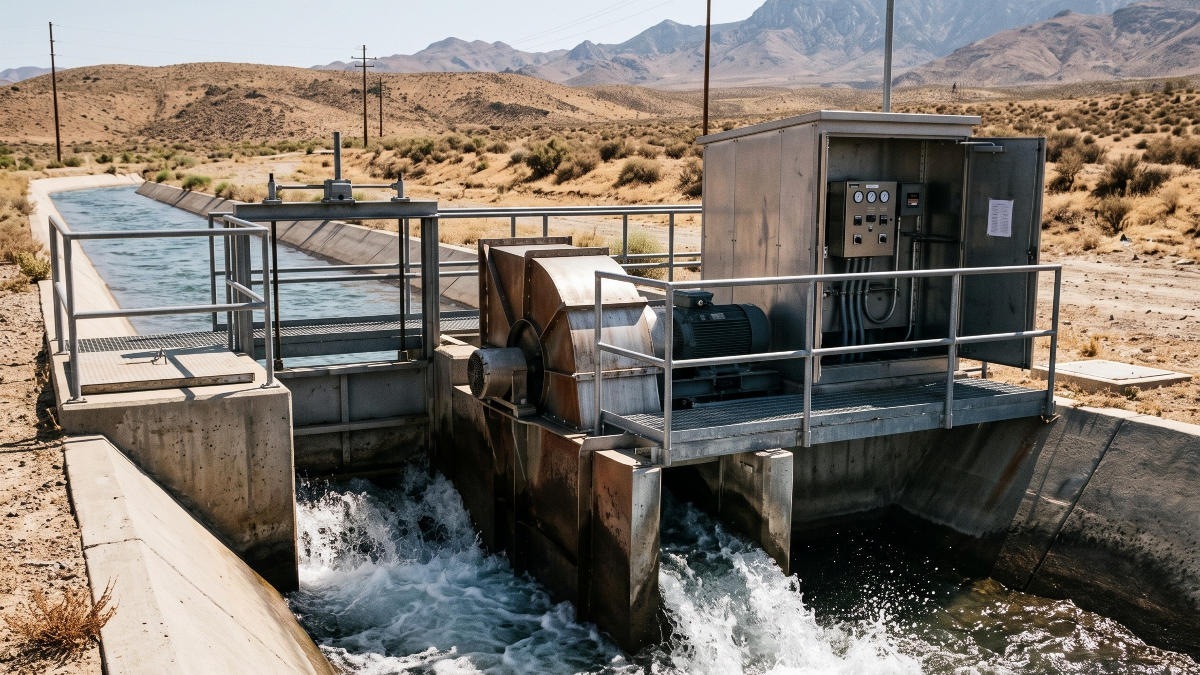
Technical standards will also be substantially relaxed. Permitting and design procedures will be streamlined for micro hydropower plants under 100 kilowatts. Facilities with a capacity of up to 50 kilowatts will be completely exempt from state construction supervision and urban planning reviews. In addition, developers will be permitted to modify canal and riverbed channels to achieve the necessary hydraulic head, while agricultural and industrial companies may build generation facilities for self-consumption without going through auction procedures.
To coordinate the sector, authorities are launching a single digital monitoring platform. State-owned hydro operator Uzbekgidroenergo, which manages 46 operating small hydropower plants, will provide engineering services and support domestic manufacturing of standardized equipment to reduce dependence on imports, which currently account for 90% of turbines and components.
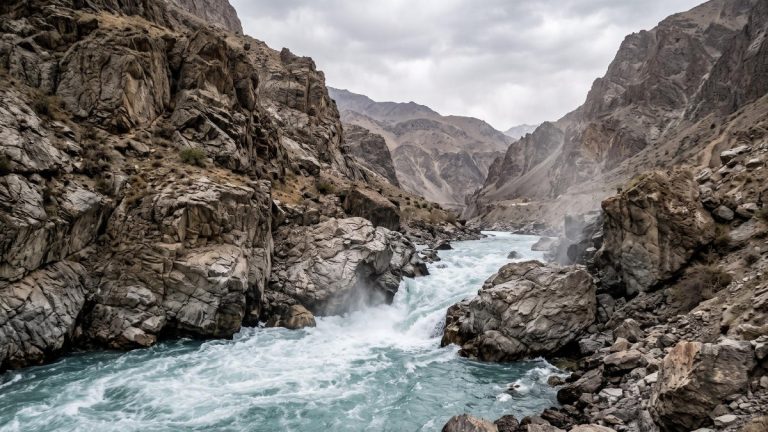
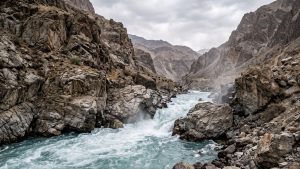
Uzbekistan has more than 173,000 kilometers of rivers and irrigation canals, offering substantial untapped potential. Authorities plan to conduct a full inventory of concrete canals to identify additional installation sites. By 2030, the country aims to reach 204.8 megawatts of small hydro capacity, generating 620 million kilowatt-hours annually. The government projects this will supply electricity to 350,000 households, save 187 million cubic meters of natural gas, and curb carbon emissions by 311,000 tonnes per year.