
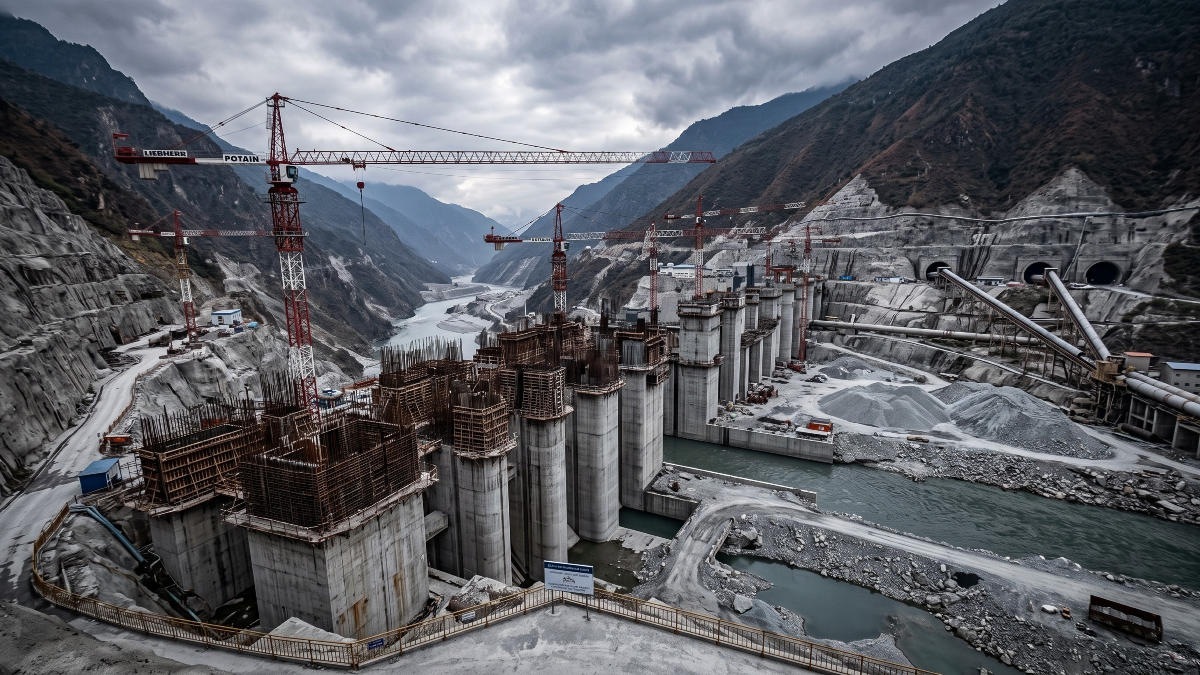
Russia plans to develop new investment return mechanisms for its hydropower sector to avoid direct financing of new construction from the federal budget, according to a senior official.
Aisen Nikolaev, head of the Russian State Council energy commission and governor of the Sakha Republic (Yakutia), said direct state funding for capital-intensive hydropower plants and reservoirs is impractical. The advisory body is now proposing market-based instruments that would allow power companies to recover capital expenditures without direct government subsidies.
Hydropower development in Russia currently faces several constraints, including regulatory gaps and a shortage of long-term capital. These factors make long-cycle construction projects difficult to finance without clear return mechanisms.
Under the proposed strategy, site selection for new plants will depend on economic feasibility and regional power demand rather than top-down allocation. Project evaluations will also incorporate broader socio-economic effects, such as the impact on regional industrial output and infrastructure development.
Beyond financing, a new investment cycle will require expanded domestic production capacity for turbines and generating equipment, as well as specialized construction contractors. Russian authorities will also need to devise separate support programs to modernize aging Soviet-built plants, many of which have been in service for more than 50 years.