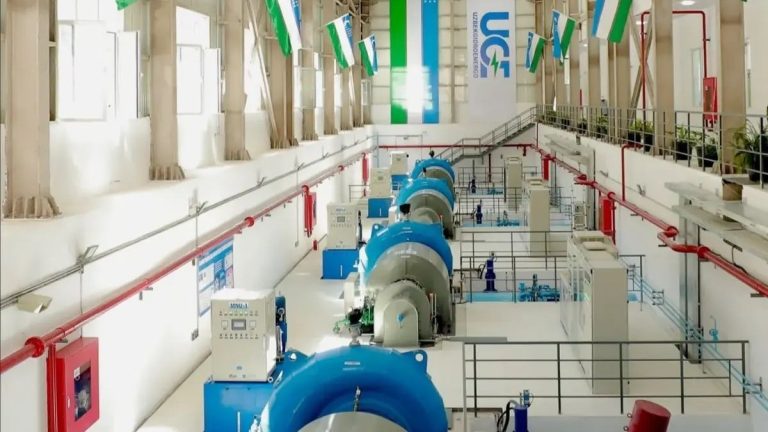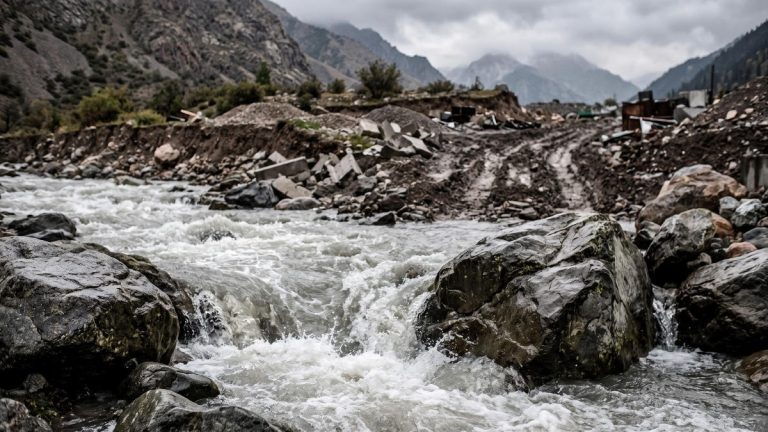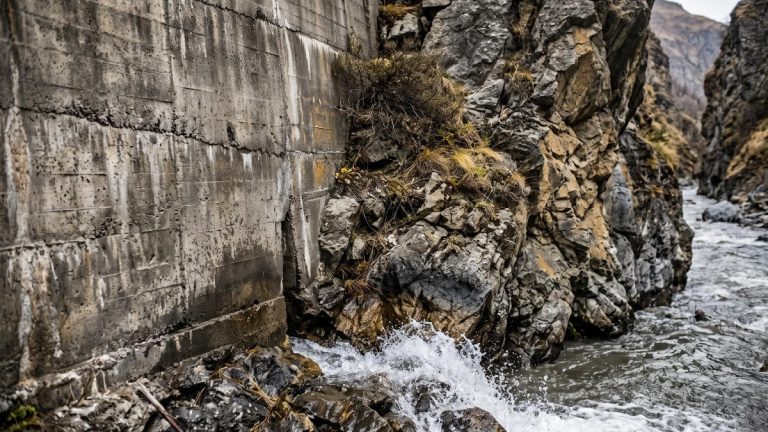



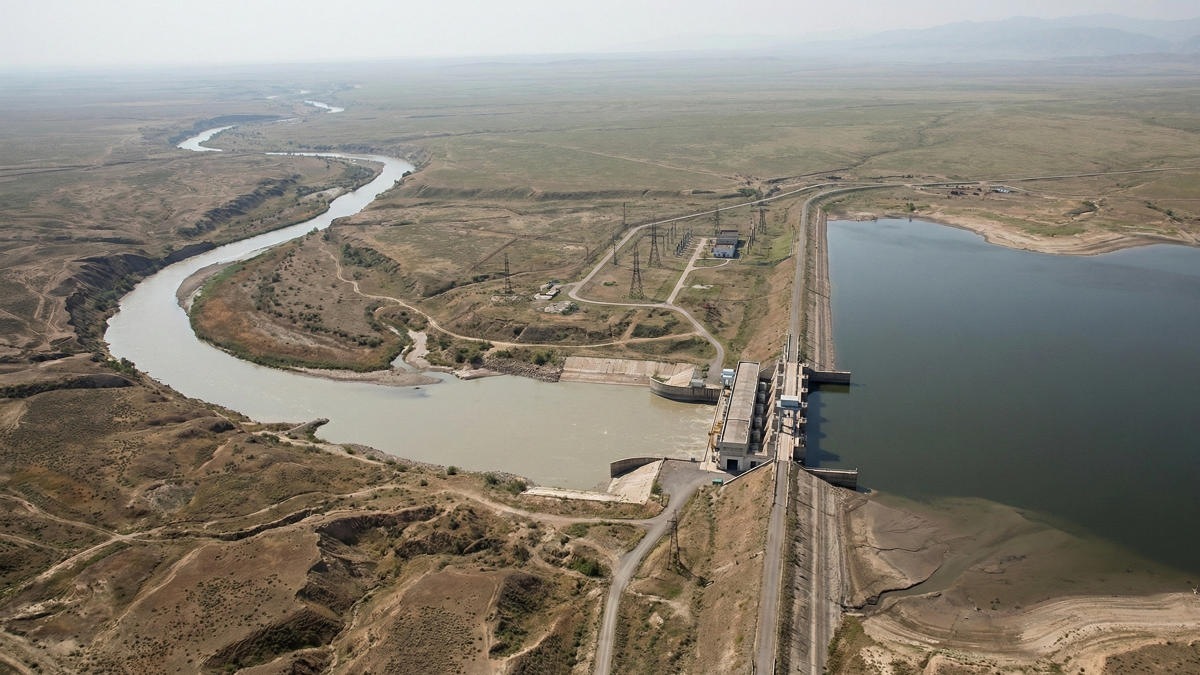
Kazakhstan is set to add 660 megawatts (MW) of hydropower capacity by 2030, according to the country’s Ministry of Energy. The expansion – based on existing investment contracts – forms part of a strategy to diversify the national energy balance and increase the share of renewable generation.
The Central Asian nation currently operates 43 hydropower facilities. While large-scale plants account for the majority of the country’s total hydroelectric capacity, recent development has focused on small and medium-scale projects. In 2025, the 26 MW Korinskaya HPP-2 was commissioned in the Zhetysu region to bolster regional energy security and support local power requirements.
Total renewable energy generation reached 8.621 billion kilowatt-hours (kWh) in 2025. Of this total, small and medium hydropower plants contributed 1.196 billion kWh. To attract private capital, the government utilizes an auction-based mechanism for project selection. During the previous year, 500 MW of capacity was offered through auctions specifically dedicated to hydropower construction.
The shift toward hydropower is part of a broader effort to decarbonize an economy that remains heavily dependent on coal for roughly 70 percent of its electricity. By integrating 660 MW of new hydro capacity, the government aims to reduce the national carbon footprint and update infrastructure to meet growing demand.