

The Russian Academy of Sciences will evaluate the environmental viability of Mongolia’s proposed Egiin Gol hydropower plant, following the submission of a joint bilateral research report on Nov. 18. Elena Panova, head of the Russian State Duma ecology committee, said the scientific review is intended to resolve long-standing debates over the dam’s potential impact on the Lake Baikal basin.
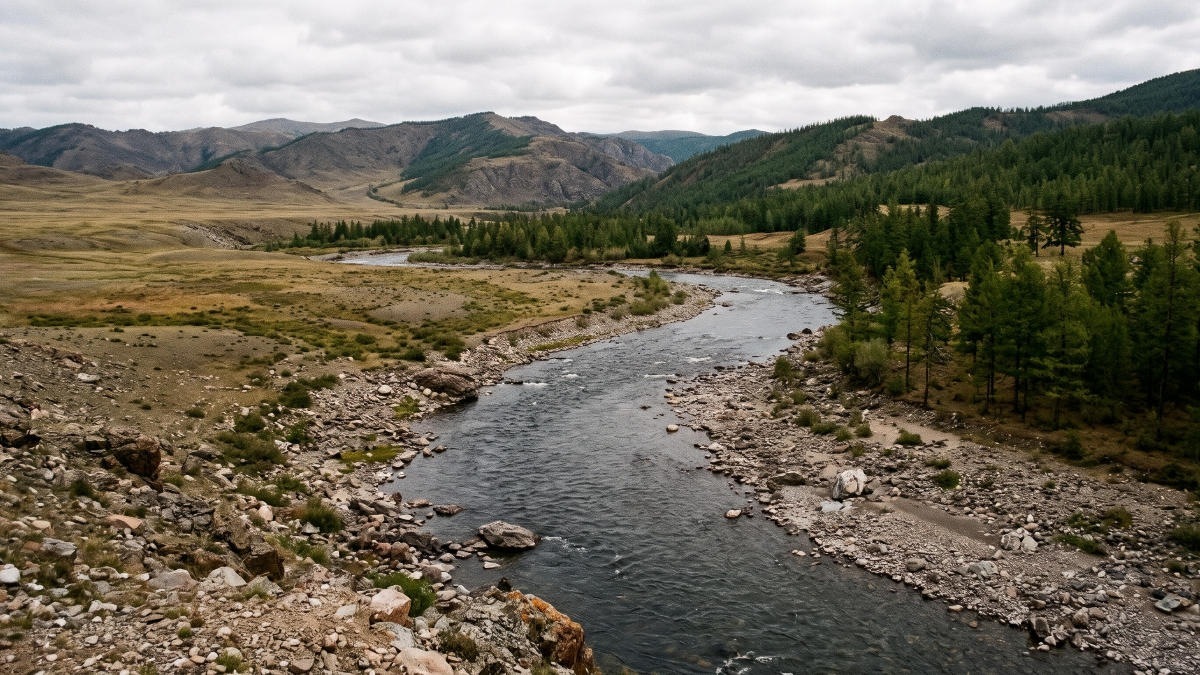
First conceived during the Soviet era, the Egiin Gol project remains one of Mongolia’s primary infrastructure ambitions. The Egiin Gol river flows into the Selenga River, the principal tributary feeding Lake Baikal. Ulaanbaatar aims to build the facility to reduce its domestic electricity deficit and curb reliance on power imports, but progress has repeatedly stalled due to concerns in Moscow regarding potential disruptions to Baikal’s freshwater ecosystem.
The joint scientific team analyzed hydrological data, seasonal variations in river flow, and potential consequences for regional wildlife. Mongolian officials concluded that construction can proceed if strict environmental standards are maintained. Russian state agencies have avoided drawing conclusions before researchers at the academy complete their review of the proposed engineering solutions and environmental baselines.
The project remains under scrutiny by the UNESCO World Heritage Committee, which has requested detailed construction documentation and a comprehensive impact assessment for Lake Baikal, a designated World Heritage site. Representatives from UNESCO and the International Union for Conservation of Nature previously held consultations with Mongolian officials on the plant’s technical specifications.
Environmental groups, including the international Rivers Without Boundaries coalition, argue that the river remains an ecologically intact habitat for vulnerable aquatic species such as the Siberian taimen. Many other rivers in the Baikal catchment area already face heavy pollution from mining operations and urban settlements.
Opposition to Mongolia’s hydro initiatives has created political tension in Ulaanbaatar. Mongolian authorities have accused Rivers Without Boundaries of acting on behalf of Russian intelligence agencies to obstruct domestic energy projects. Officials have barred one coalition coordinator from entering the country and opened a criminal case against the group’s local director, drawing criticism from United Nations special rapporteurs and international rights groups over the criminalization of conservation work.