Russian and Mongolian scientists have launched field research in the Selenga River basin to evaluate environmental risks associated with Mongolia’s proposed Egijn Gol hydroelectric power plant. The joint effort, formalized during a bilateral working group meeting in Irkutsk, aims to determine how the project might affect the ecosystem of the Selenga River and Lake Baikal, which relies on the river as its primary tributary.
The research is being conducted under the oversight of the Russian Academy of Sciences. A preliminary report is currently undergoing review, with the next phase focusing on identifying environmental impact indicators and calculating potential operating modes for the plant. Specialists intend to develop engineering solutions to maintain natural water flow levels and minimize ecological disruptions. The final results of the multi-year study are scheduled for presentation to the governments of both nations in November 2026.
During the recent consultations, experts reviewed current progress and established a timeline for the coming year. Technical work includes computer modeling of hydrological processes and the creation of a hydraulic model for the entire river basin. Researchers have already produced initial digital maps of the Selenga riverbed, covering sections in both Mongolia and Russia to analyze channel morphodynamics.
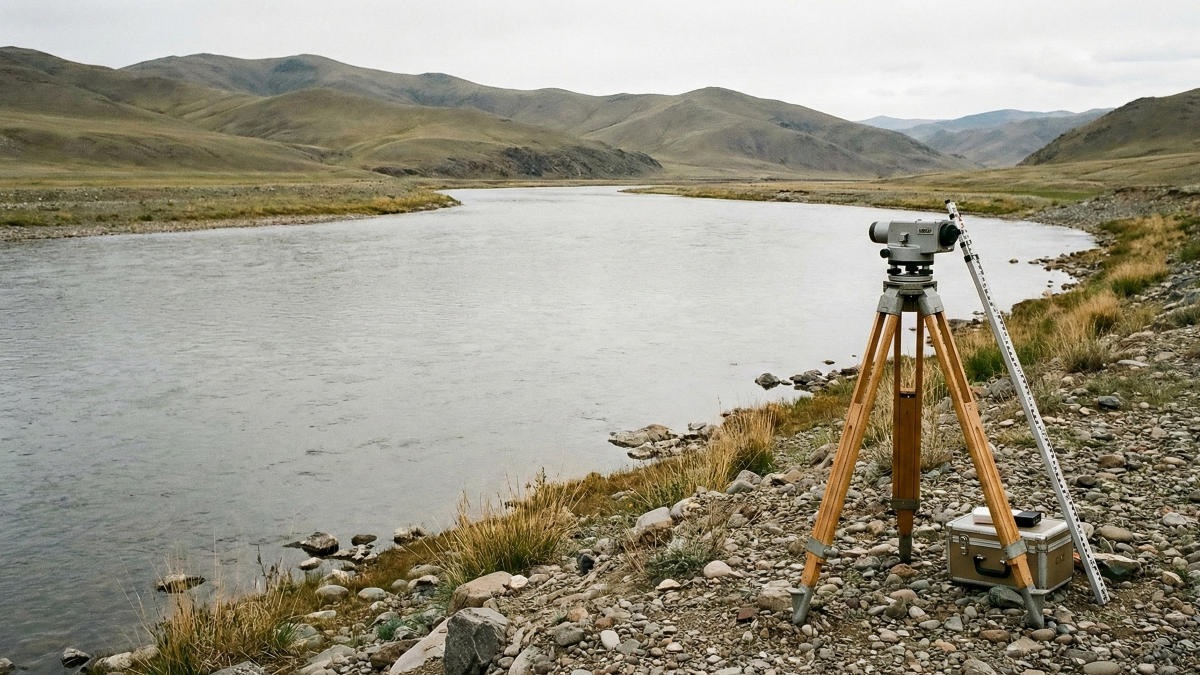
To verify theoretical calculations, two joint expeditions are planned for the spring of 2026. These field missions will operate on both sides of the border to collect data on the river’s structure and refine topographical models used for forecasting. The research program involves the Siberian Branch of the Russian Academy of Sciences – including its institutes for system dynamics and energy systems – alongside Mongolian hydrological experts.