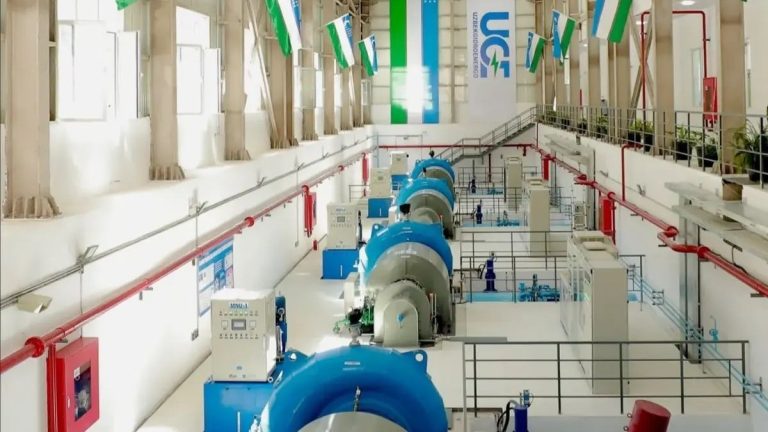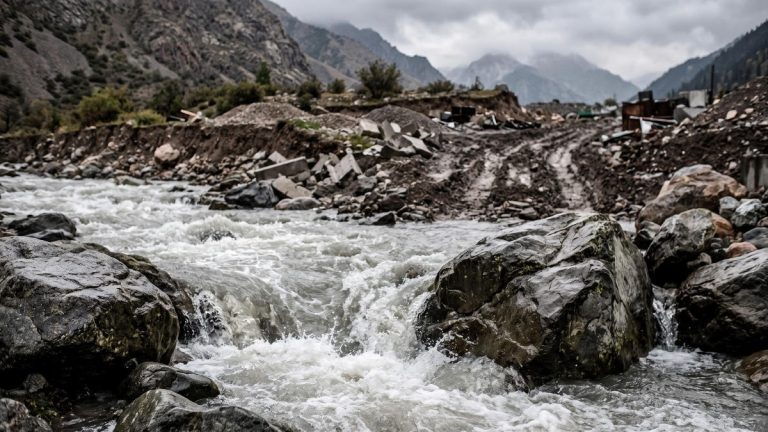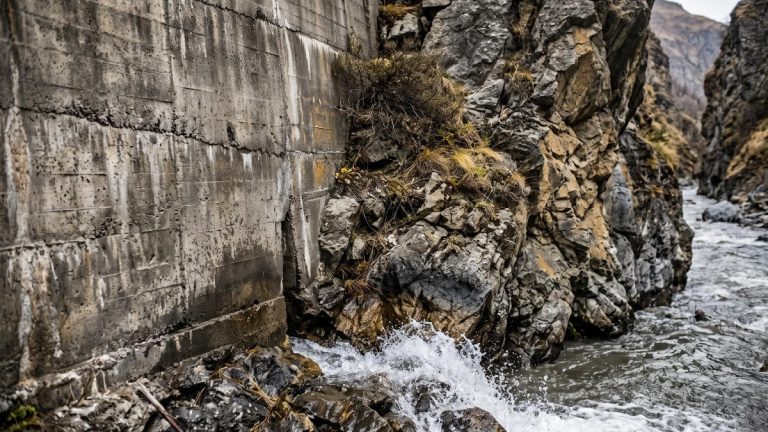
The European Investment Bank is considering a 550 million dollar loan for the construction of the Rogun hydropower plant in Tajikistan, drawing formal opposition from a coalition of international environmental and human rights organizations. The groups have urged the European Union’s lending arm to withhold funding for the project, which features what would be the world’s tallest dam, unless its technical and social parameters are revised.
The Rogun project, located on the Vakhsh River, is designed to create a massive reservoir in the Aral Sea basin. The Vakhsh provides approximately one-quarter of the water flow for the Amu Darya, a vital river system that supports agriculture and municipal water supplies in downstream countries, including Afghanistan, Turkmenistan, and Uzbekistan. Activists warn that filling the reservoir could lead to seasonal water shortages for these neighboring nations.
Representatives from CEE Bankwatch and the Rivers without Boundaries coalition filed an official complaint with the European Investment Bank’s monitoring mechanisms. The coalition argues that the current plans violate the bank’s environmental and social standards. They also cautioned the European lender against relying solely on the environmental assessments of the World Bank, which they describe as less stringent than European Union standards.
A primary concern raised by the coalition is the planned resettlement of approximately 60,000 people from the flooded zone, which represents the largest displacement for a hydropower project in the modern history of Central Asia. Critics claim the relocation plans rely on outdated socio-economic data. They say new residential sites lack adequate water supplies, pastures, and arable land, which has already caused the share of resettled households engaged in irrigated farming to drop from 44 percent to 6 percent, driving many residents to seek work abroad.
The project documentation also faces criticism for allegedly failing to address threats to local ecosystems, including the Tigrovaya Balka nature reserve (a UNESCO World Heritage site) and the wetlands of the Amu Darya basin. Activists argue the construction could irreversibly damage habitats for rare fish and bird species. The coalition has called on the bank’s board of directors to suspend consideration of the loan until the project aligns with European Union environmental directives, suggesting a lower dam height and a smaller reservoir as potential compromises.