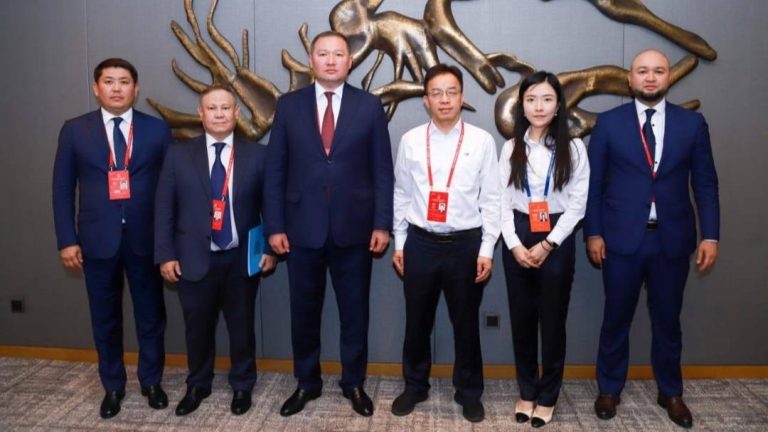

Former Kyrgyz Foreign Minister Alikbek Jekshenkulov has called for a fundamental revision of Central Asian water distribution systems to address imbalances between upstream and downstream nations. Speaking at an environmental summit in Astana, Jekshenkulov stated that Kyrgyzstan is seeking a fair share of the economic benefits generated by regional rivers rather than the commercial sale of water to neighboring states. He argued that the state producing the resource currently lacks an adequate financial return on its use.
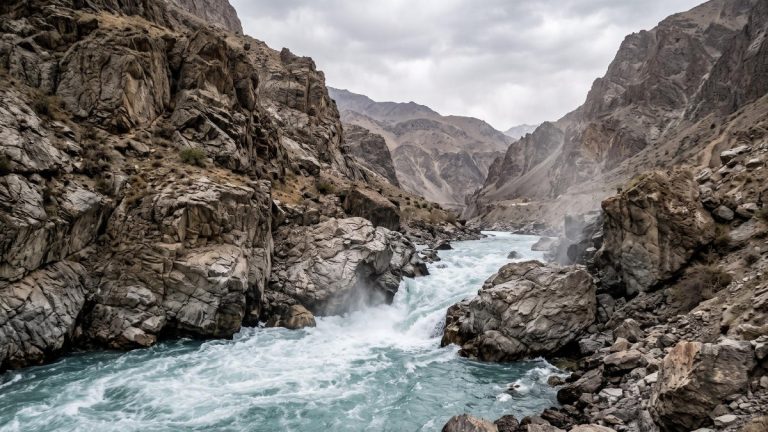
Current water use statistics for the Syr Darya basin indicate a significant disparity. The river has a total annual flow of approximately 37 cubic kilometers, with more than 74 percent originating in Kyrgyzstan through the Naryn River. In practice, about 22 cubic kilometers are distributed among regional republics. Uzbekistan and Kazakhstan each receive roughly 10 cubic kilometers, while Tajikistan receives 1.8 cubic kilometers. Kyrgyzstan retains 0.4 cubic kilometers, which represents less than two percent of the total flow.
The existing distribution model is a legacy of the Soviet planned economy. Under that system, mountainous republics stored water in winter to release it during the summer for downstream agriculture in exchange for energy supplies. This barter mechanism became unstable following the dissolution of the Soviet Union. A 1998 agreement failed due to volatile hydrocarbon prices and a lack of enforcement, and Kyrgyz officials maintain that these arrangements have effectively been non-functional since 2006.
Tensions over the current rules led Kyrgyzstan to suspend its participation in the International Fund for Saving the Aral Sea in 2016. This decision followed nearly a decade of unsuccessful attempts by Bishkek to reform the organization. Kyrgyz officials had proposed including energy issues in the fund’s mandate and establishing compensation mechanisms for the costs incurred by upstream states in maintaining water infrastructure, but these initiatives remained unaddressed by the member states.
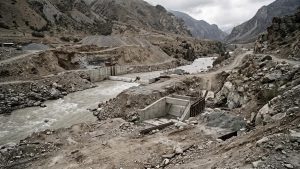
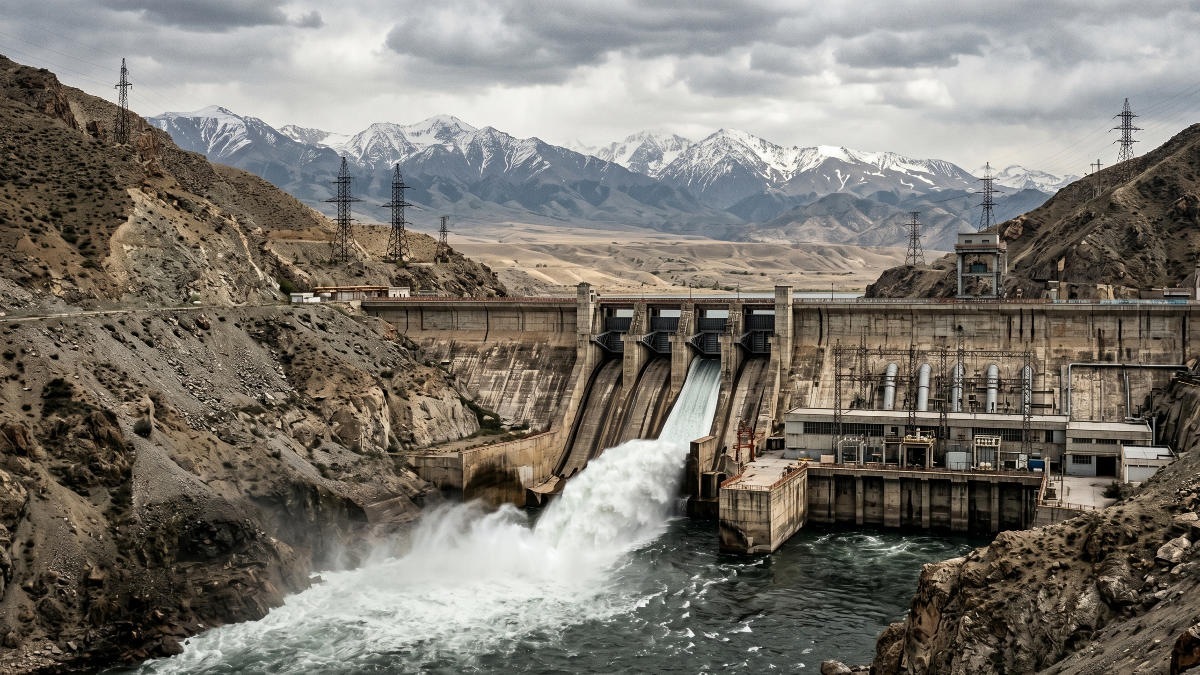
In the absence of a multilateral agreement, Kyrgyzstan has pursued bilateral solutions. The country has established joint funding mechanisms with Kazakhstan for infrastructure on the Chu and Talas rivers, where investment levels are tied to water consumption volumes. A similar arrangement exists with Uzbekistan regarding the Orto-Tokoy reservoir. The planned Kambarata-1 hydroelectric project is intended to serve as a new model for joint investment and the equal distribution of energy and water benefits among Kyrgyzstan, Uzbekistan, and Kazakhstan.
Environmental factors, including the shrinking of Tien Shan glaciers by an estimated 20 to 27 percent since the 1960s, have increased the pressure for a new regulatory framework. Jekshenkulov argued that Kyrgyzstan should seek compensation for these climate-related losses from international environmental funds rather than direct payments for water from neighboring countries. He stated that the reform of the regional system should include the formal recognition of infrastructure maintenance costs, a binding agreement on the Kambarata-1 project, and the launch of climate subsidy programs.