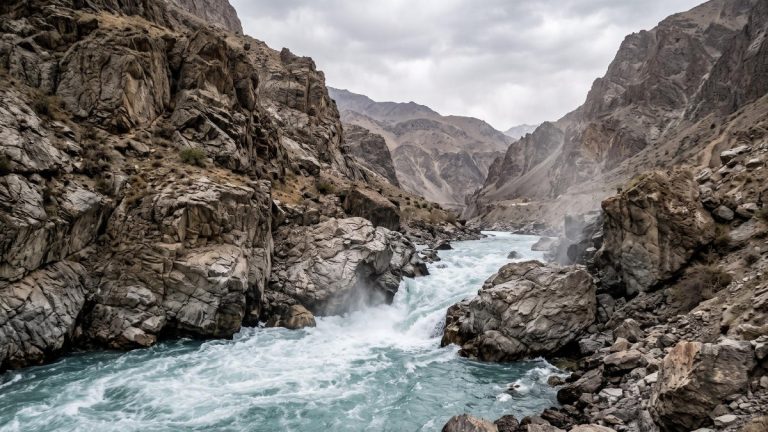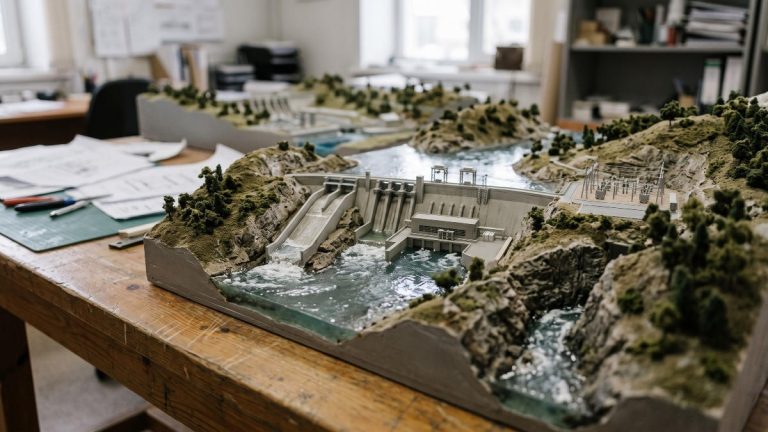

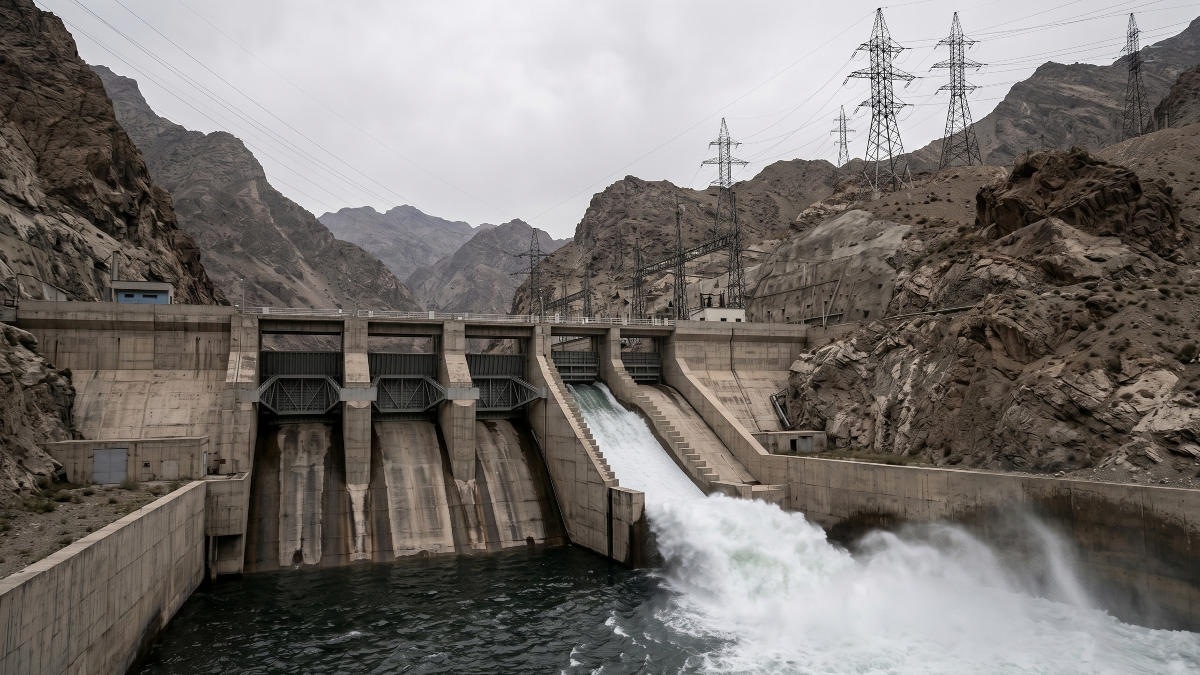
Uzbekistan will invest $5.8 billion in its hydropower sector through 2032 to diversify its energy mix and reduce its reliance on gas and coal generation. The investment program, which was presented to President Shavkat Mirziyoyev, aims to add 3.6 gigawatts of new capacity to the national power grid. This move comes as the country seeks to manage rising electricity demand driven by economic and population growth.
While Uzbekistan possesses more than 150,000 kilometers of waterways, hydroelectricity currently provides only 10 to 12 percent of the country’s total energy balance. Thermal power plants currently handle the majority of the load. To shift this proportion, the government plans to develop the untapped potential of rivers and canals across the republic.
Since 2017, the number of hydroelectric plants in Uzbekistan has grown from 36 to 100, increasing total capacity from 1.6 to 2.4 gigawatts. The government established the UzHydroPower plant to provide the industry with necessary equipment (the only specialized facility in Central Asia). The president has recently called for higher levels of localization for turbine and hardware production at the site.
The investment program for 2026 through 2032 includes 73 projects. In 2026 alone, the government expects to commission 13 stations with a total capacity of 114 megawatts, which are projected to generate 537 million kilowatt-hours annually. Major projects include the Upper Pskem station in the Bostanlyk district, estimated to cost $365 million. This facility is expected to provide 160 megawatts of capacity, enough to cover the needs of 160,000 households.
Beyond large scale facilities, the strategy includes approximately 3,000 micro and small hydroelectric units with a combined capacity of 164 megawatts. Authorities are also planning a cascade of stations on the Upper Tupalang with a potential exceeding 500 megawatts. To ensure grid stability, the country will build three pumped storage plants with a total capacity of 1.4 gigawatts. These new facilities will use artificial intelligence and digital monitoring systems for operational oversight.
In the capital, Tashkent, the development of water infrastructure will involve the Chirchik River and the Bektemir Canal. This project includes the creation of a green belt and the expansion of the city’s artificial reservoirs from four to twelve to help regulate the local microclimate.