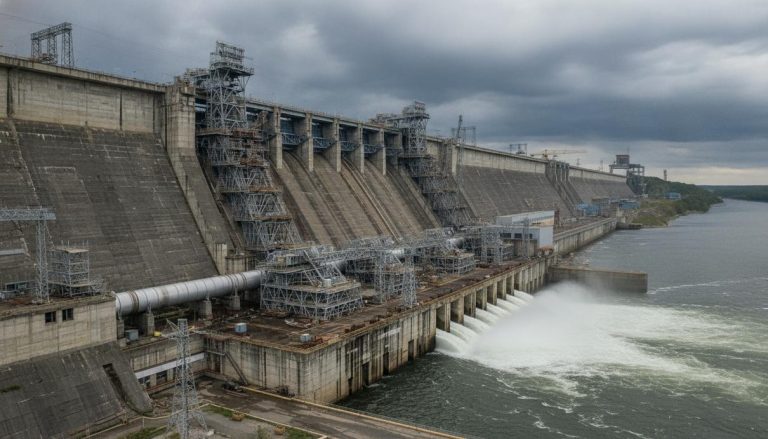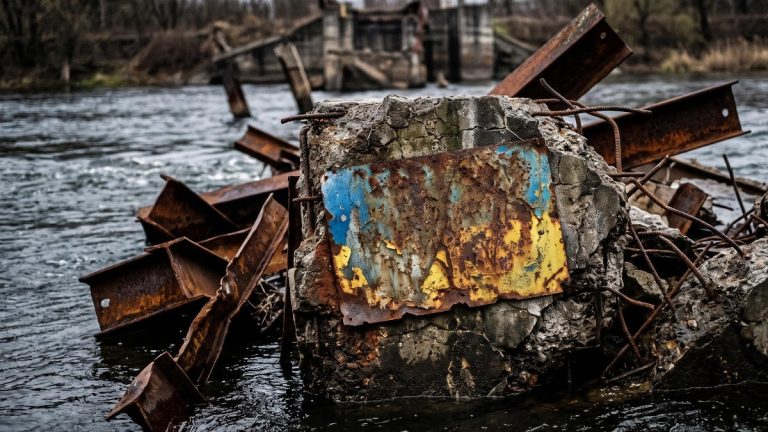
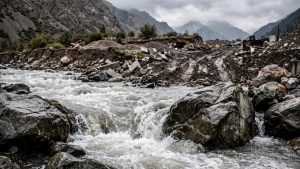
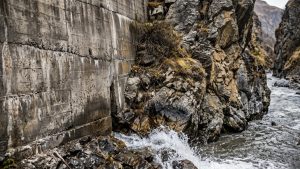
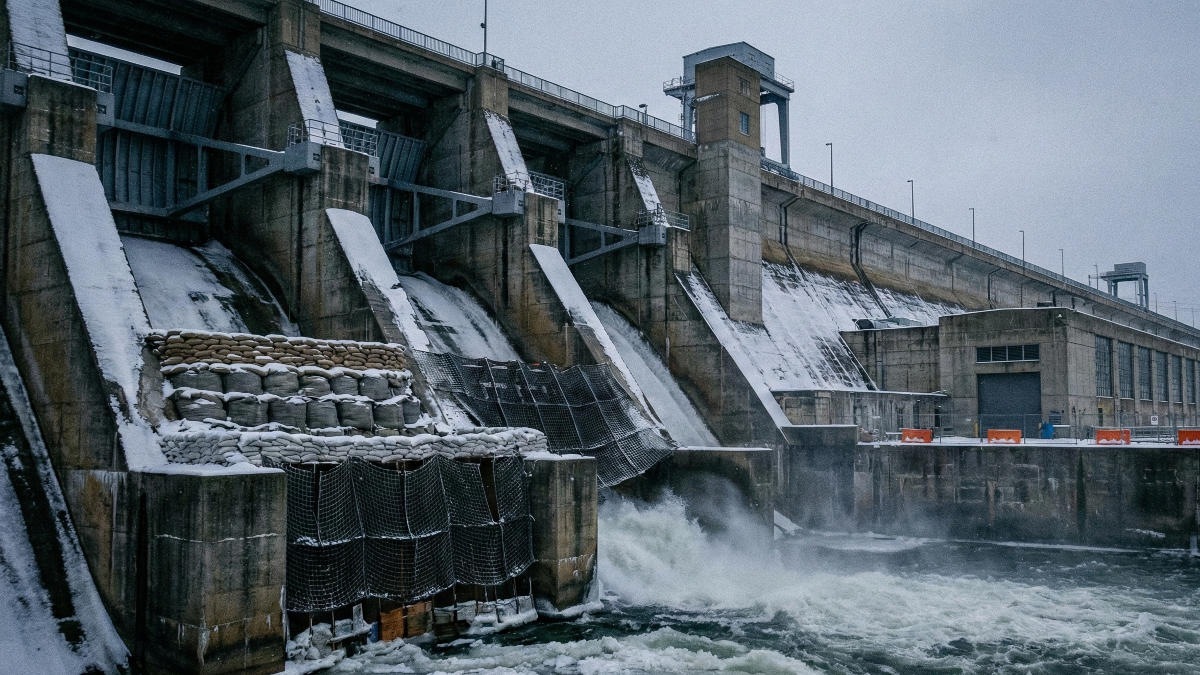
The International Energy Agency (IEA) has released a report on energy system resilience based on Ukraine’s experience during the ongoing conflict. The analysis identifies hydropower as both a primary target for infrastructure attacks and a necessary component for maintaining grid stability. According to the agency, the destruction of the Kakhovka dam in June 2023 demonstrated the consequences of damage to large-scale hydraulic structures. Despite their vulnerability, hydroelectric plants remain essential for balancing the power system, managing peak loads, and compensating for the variability of renewable energy sources.
Ukrainian authorities have prioritized the restoration and protection of hydroelectric facilities. The Ministry of Energy allocated approximately 21 billion hryvnias for energy security – 48 percent of which was dedicated to hydropower reconstruction. This investment is intended to maintain the maneuverable power required for grid stability during frequent outages. IEA experts noted that while total physical protection of large dams and engine rooms is difficult, specific engineering measures can improve the survivability of these assets.
Proposed technical solutions include the bunkerization of control units and generators. The report cites data showing that increasing a dam’s spillway capacity can reduce the risk of failure under extreme loads by 50 percent while increasing total project costs by 3 percent. Ukrainian operators have adopted a strategy of selective fortification, focusing on protecting the most vulnerable components to ensure functional operations even after partial damage.
The report also highlights the role of small-scale hydropower in creating decentralized power zones. In the Vinnytsia region, cooperation between the local distribution company and a small hydropower operator resulted in the creation of five independent microgrids. These isolated systems provide electricity to nearby settlements during broader grid failures. This approach suggests that decentralized generation using smaller rivers and reservoirs serves as a strategic security asset.
Pumped storage facilities continue to function as large-scale energy reserves for the national grid. The IEA states that when combined with new industrial battery systems, hydropower provides the flexibility needed to restart the power system after major failures and maintain frequency when thermal plants are offline. The agency concluded that the Ukrainian experience requires a global reassessment of hydropower design to incorporate physical security threats alongside traditional climate risks such as floods and droughts.