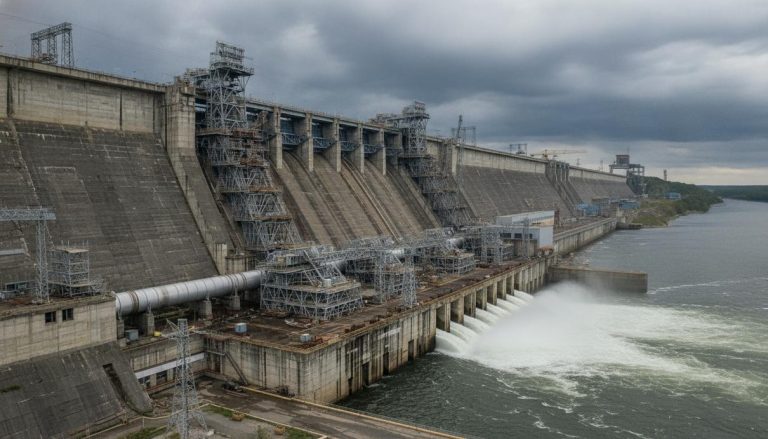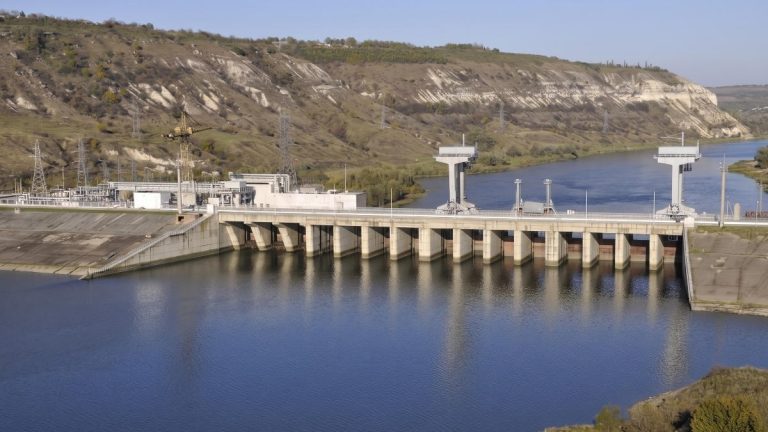
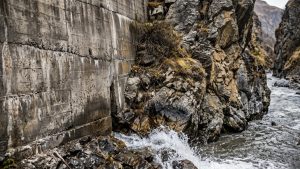
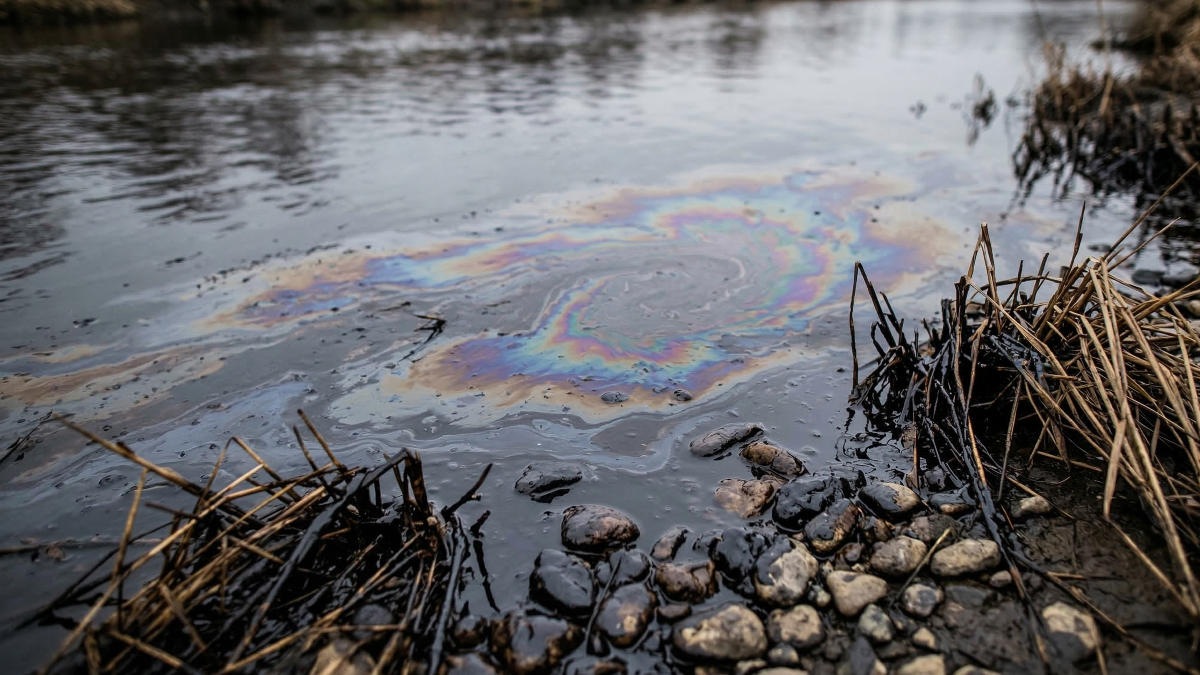
A Russian strike on Ukraine’s Dniester Hydroelectric Power Plant has caused a transformer oil spill that contaminated the shared Dniester River, disrupting drinking water supplies in both Ukraine and neighbouring Moldova.
The incident follows a large-scale attack on the 702-megawatt facility near Novodnistrovsk on the night of March 6–7. The strike damaged nearby energy infrastructure, releasing roughly 1.5 tonnes of technical oils into the waterway. Ukrainian authorities first detected oil slicks on March 10 in the Vinnytsia region, where laboratory tests indicated petroleum concentrations 2.5 times above regulatory safety limits.
By March 11, the pollution had travelled downstream to northern Moldova. The Dniester River – a critical transboundary water source – supplies millions of people, including residents of the Ukrainian port city of Odesa and the Moldovan capital, Chisinau. The spill demonstrates the broader environmental impact of military strikes on Ukraine’s energy grid.
Moldovan authorities declared an alert in northern districts and restricted river water usage for drinking, agriculture and livestock. The restrictions affected several regions, including Balti, the country’s second-largest city. Hospitals stockpiled emergency water supplies for up to 72 hours, and fishing was suspended until at least April 1. Moldovan Prime Minister Alexandru Munteanu requested assistance through the European Union Civil Protection Mechanism to secure specialized containment equipment and water testing stations.
Cleanup operations are being coordinated through the bilateral Dniester River Commission, with Romanian specialists joining the effort. Ukraine’s State Emergency Service and Moldovan military units have deployed containment booms, absorbent materials and additional filtration systems along the riverbanks.
Moldovan Environment Minister Gheorghe Hajder stated on March 13 that water quality was beginning to improve following the joint containment measures. Continuous monitoring remains active at multiple points downstream, including the Dniester estuary, as emergency teams work to secure the regional water supply and clear the remaining pollution.