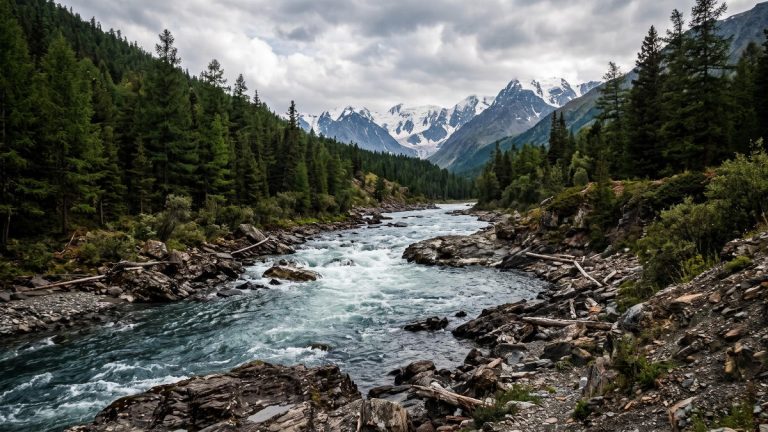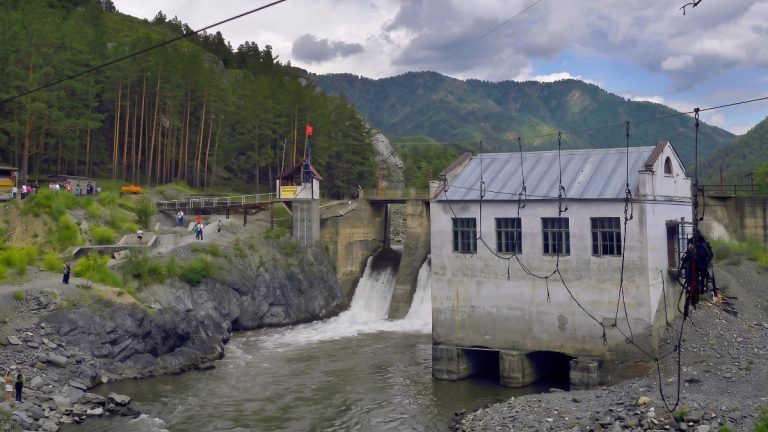
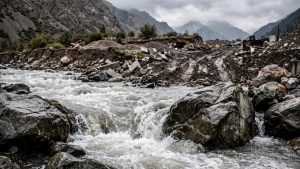
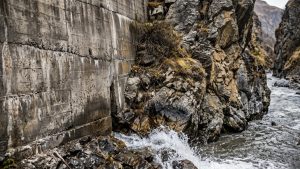
Public consultations have opened in the Amur region regarding the proposed construction of the Nizhne-Zeyskaya hydroelectric plant on the Zeya River. The project, commissioned by a subsidiary of the state-controlled power company RusHydro, is intended to regulate seasonal flooding and provide additional electricity to the Far East. Technical documentation for the facility was prepared by the Lengidroproekt institute.
Experts from the Conservation of Siberia and the Far East fund have identified several technical and procedural gaps in the environmental impact assessment. Their analysis suggests that the current documentation focuses on economic benefits while providing limited study of flood protection alternatives beyond building the dam. The review notes that the option to cancel the project was dismissed without a thorough investigation of non-structural flood mitigation strategies.
The social impact section of the proposal contains inconsistencies regarding the relocation of residents from the villages of Uralovka, Chagoyan, and Kukhterin Lug. While the documentation cites a total of 386 people slated for resettlement, researchers found that population figures across different sections of the report do not align. Concerns were also raised regarding the lack of specific compensation mechanisms, the status of residents living in the flood zone without official registration, and the management of local cemeteries.
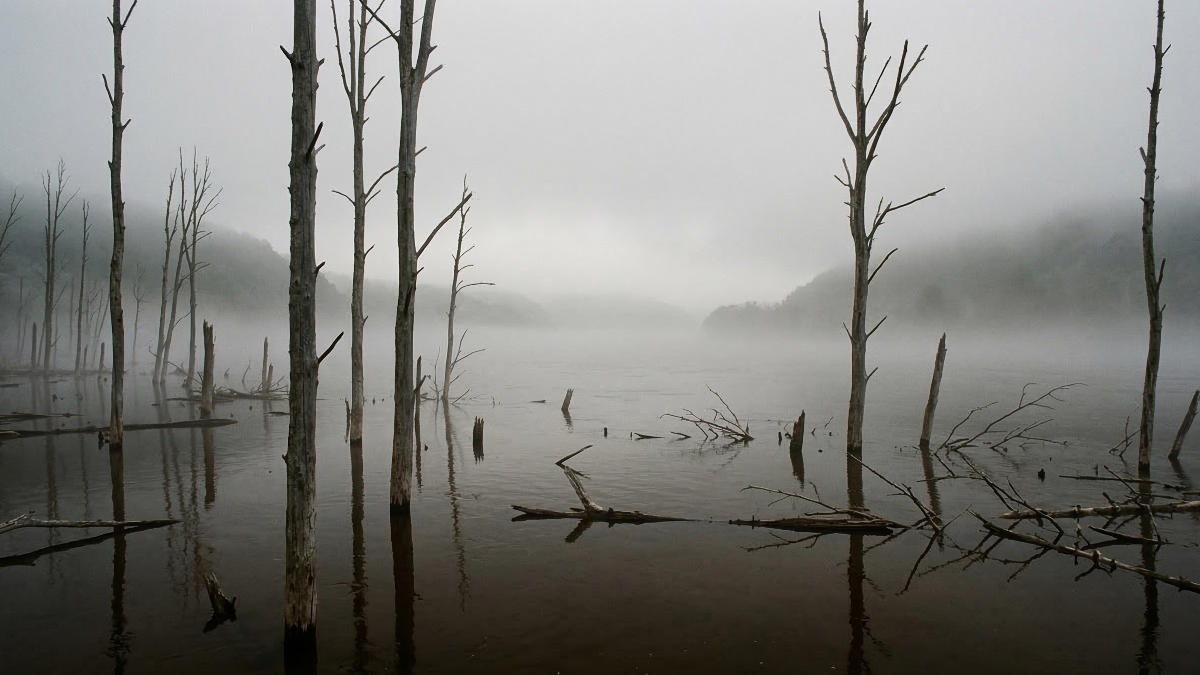
Environmental risks center on the quality of the future reservoir and the preparation of the riverbed. Current plans involve clearing less than 15 percent of the forested area to be submerged, as developers cited a lack of modern regulatory standards for forest removal. This could lead to the decomposition of submerged timber and peat, potentially causing significant greenhouse gas emissions and deteriorating water quality. Project data indicates that water coloration may exceed fishery limits by eight times, while assessments of biological threats rely on data from 18 years ago.
The construction of the dam without fish-passage structures is expected to block migration routes for sturgeon and salmon. Projections indicate that fish diversity in the area could drop from 47–21 species, with some commercial stocks expected to vanish from the reservoir area. The proposed programs for the artificial reproduction of rare species – including the Amur sturgeon – currently lack detailed implementation schedules or specific rescue operations.
Safety assessments have also come under scrutiny as the documentation does not include modeling for a dam failure, despite the presence of 300,000 residents in settlements downstream. Analysts pointed out that the hydrological data used for the project does not account for extreme flood events recorded between 2013–2025. Furthermore, the potential transboundary impact on the Amur River and the interests of neighboring China are not addressed in the materials. The public comment period for the project remains open until April 15.