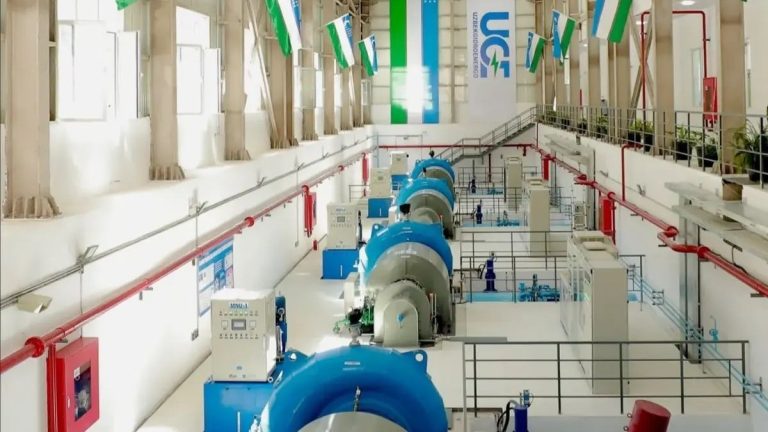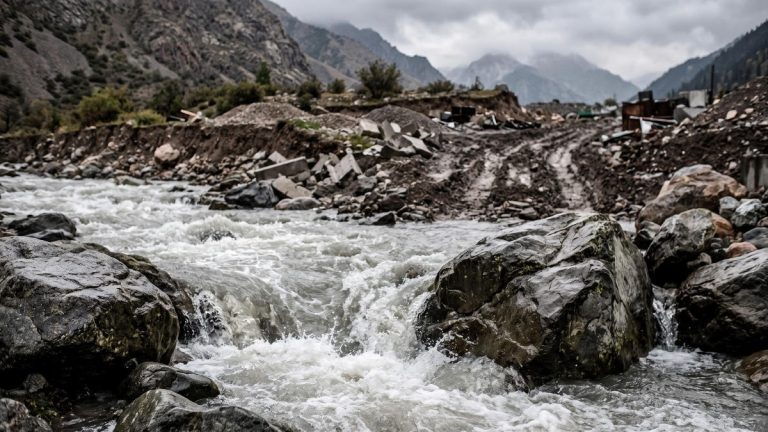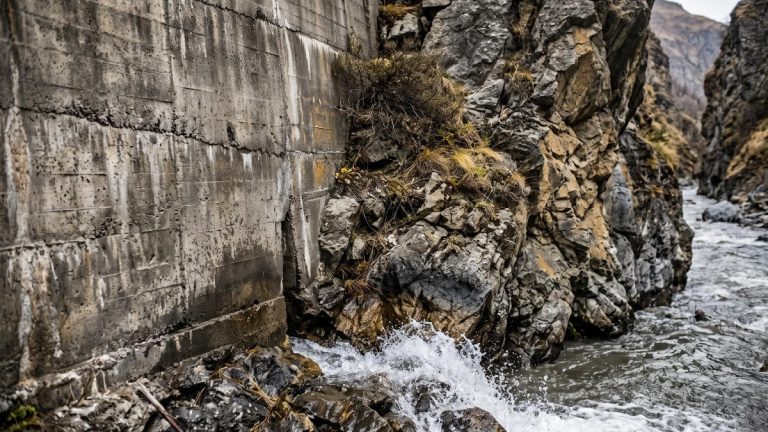



Uzbekistan’s state hydropower producer, Uzbekhydroenergo, reported record electricity generation of 6.5 billion kilowatt-hours in 2025, following a sustained modernization of the sector. The output is the result of a long-term investment program that has seen more than $1.3 billion committed to hydropower infrastructure since 2017.
Since the government initiated energy reforms eight years ago, the number of hydroelectric plants in the country has increased from 36 to more than 100. Total installed capacity rose from 1,604 megawatts to 2,400 megawatts during this period. The expansion – which included the launch of 64 new stations and the reconstruction of 13 existing complexes – aimed to diversify the national energy mix and reduce reliance on thermal power generation.
Under its current operational model, Uzbekhydroenergo focuses on generation and the management of water resources, supplying electricity to the national grid. Distribution to end-consumers remains the responsibility of regional utility companies. In 2025, the producer utilized $237 million in investment funds, while the total value of industrial production reached 700 billion soums.
Management has set a 15 percent production growth target for 2026, supported by a planned capital investment of $264 million. The company expects to bring 15 new generating units into service over the next 12 months, adding 152 megawatts of capacity to the system.
A key part of the national energy strategy involves decentralizing supply through small-scale hydropower projects funded by private capital. In 2025, local investors commissioned 16 micro-hydro units in regions including Samarkand and Karakalpakstan. Private developers have now completed more than 20 such projects with a combined capacity of approximately 30 megawatts, while officials target an eventual network of 3,000 small-scale units.
To manage the increasing number of facilities, the company has established a centralized monitoring hub that tracks data from 4,700 instruments. Uzbekhydroenergo is currently developing a pipeline of 50 future projects with a combined potential capacity of 3.2 gigawatts, including the construction of pumped-storage plants. These projects are being designed in partnership with engineering firms from China, Turkey, Iran, Russia, and several European nations.