Kyrgyzstan’s state-owned power producer, Electric Stations, is advancing a series of modernization projects across its Naryn River hydropower cascade to mitigate persistent energy deficits and update aging infrastructure. The initiative involves the refurbishment of existing plants and the development of logistics for large-scale new facilities, with the primary phase of technical work expected to conclude by the end of 2026.
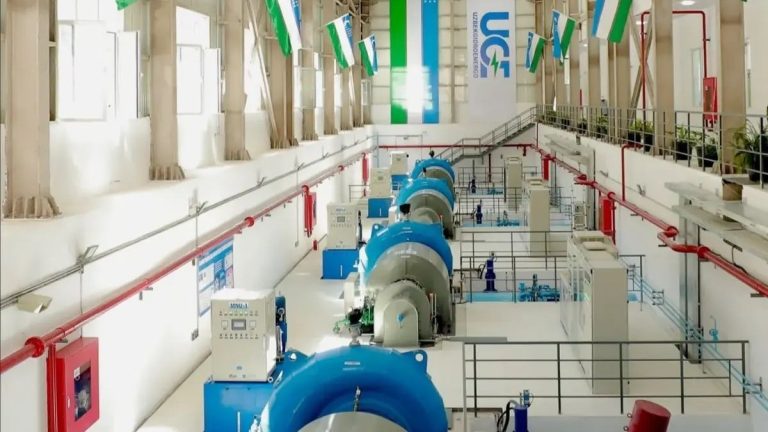
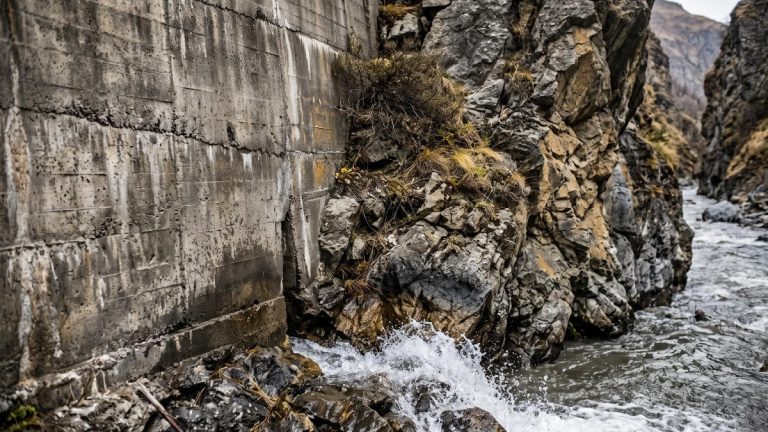
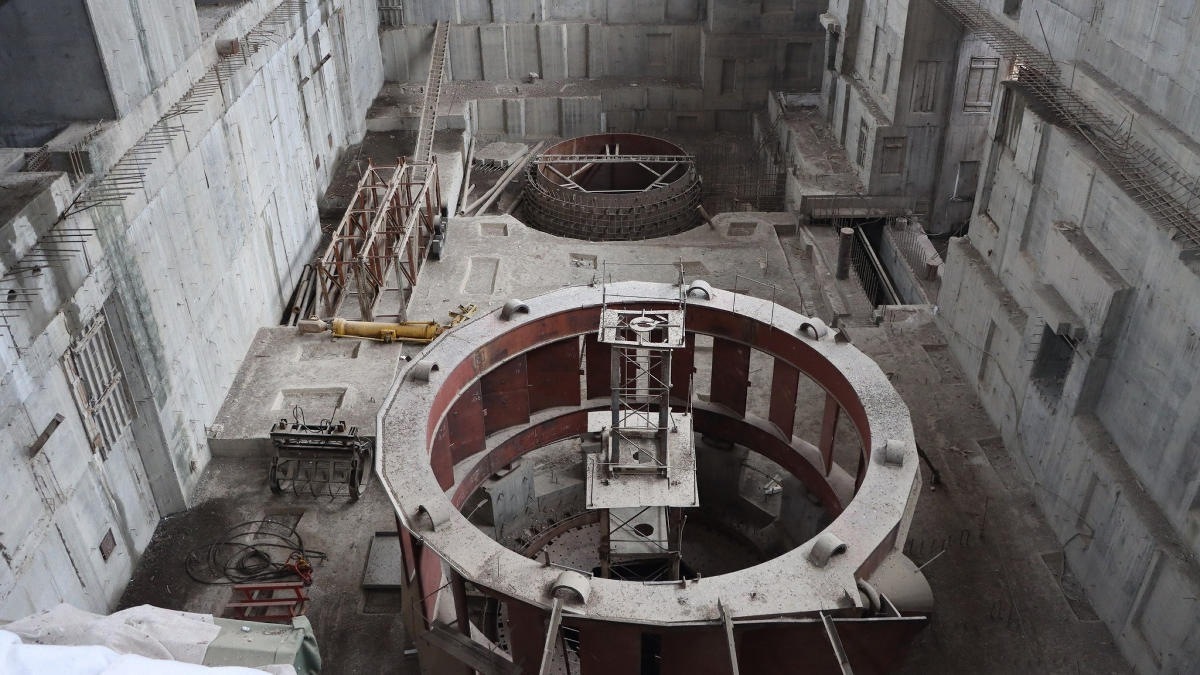
At the Uch-Kurgan plant, Chinese contractor CNEEC is currently dismantling two generating units to make way for new equipment. The project includes the replacement of turbine shafts and rotor components, alongside the reinforcement of the dam’s anti-filtration structures. Energy ministry officials indicate that the upgraded units are scheduled to resume operations by late 2026, supported by modernized distribution systems.
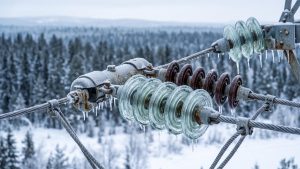
Capacity upgrades are also underway at the Kurpsai station, where new 125 MVA autotransformers are being installed to replace older 63 MVA units. This reconstruction of the 220/110 kV substation is intended to improve grid resilience and is scheduled for industrial commissioning in August 2026.
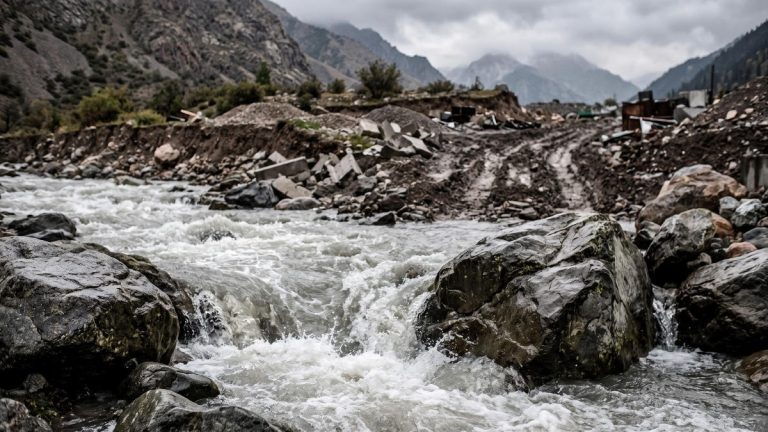
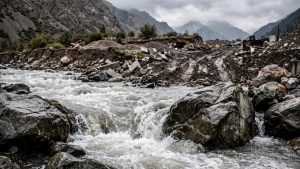
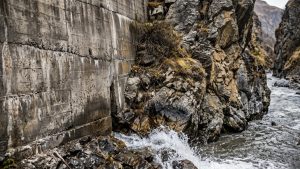
The centerpiece of the national energy strategy – the Kambarata-1 project – has reached a preparatory milestone with the construction of a 200-meter bridge over the Naryn River. Designed to support loads of up to 400 tons, the crossing will facilitate the transport of heavy machinery required for the eventual construction of the 1,860-megawatt plant. Completion of the bridge in July 2026 will allow for the commencement of work on the main dam.
Downstream, the expansion of the Kambarata-2 facility is progressing with the involvement of contractors DEC-SM and Sinohydro. The current phase involves establishing technical bases and laboratories for the installation of a second hydraulic unit. Planned for commissioning in early 2029, the additional turbine will double the plant’s capacity to 240 megawatts. These projects are intended to reduce technical losses and contribute to the stability of the unified energy system of Central Asia, which relies on Kyrgyzstan’s hydropower output for seasonal regulation.