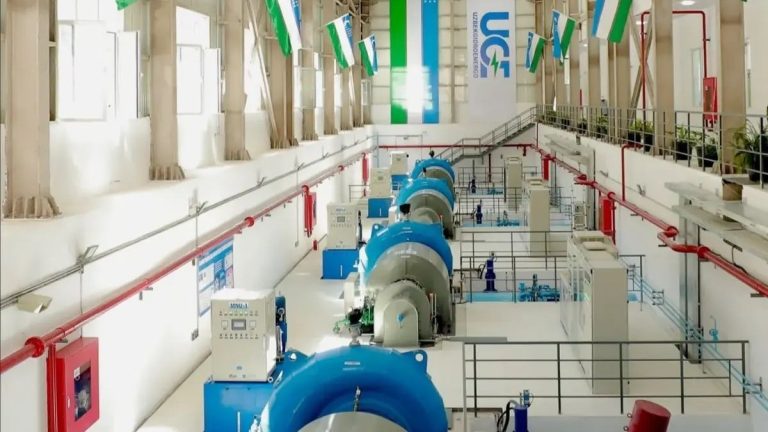
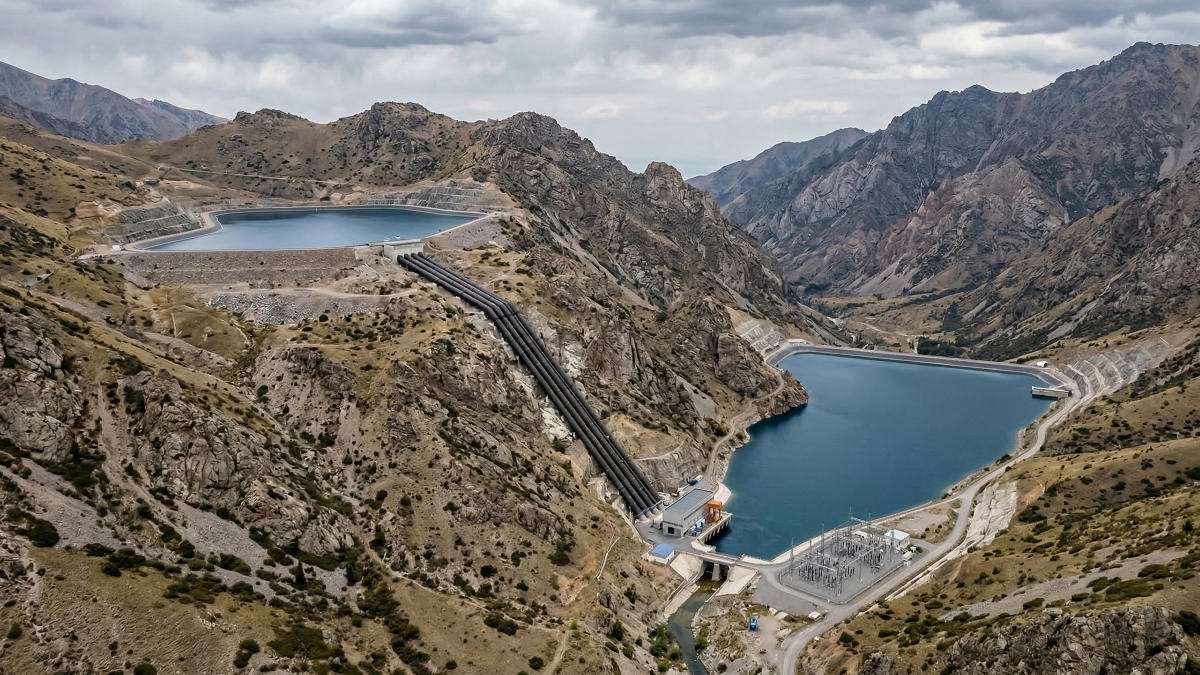
Central Asian nations face a significant energy deficit as regional demand is projected to increase by 40 percent by 2030, according to a report by the Eurasian Development Bank (EDB). The challenge is compounded by aging infrastructure, with approximately 70 percent of power plants and transmission lines currently requiring replacement or major repair. Hydropower, which accounts for more than 90 percent of domestic generation in Tajikistan and Kyrgyzstan, remains the regional energy system’s foundation, yet it faces increasing pressure from both environmental and economic factors.
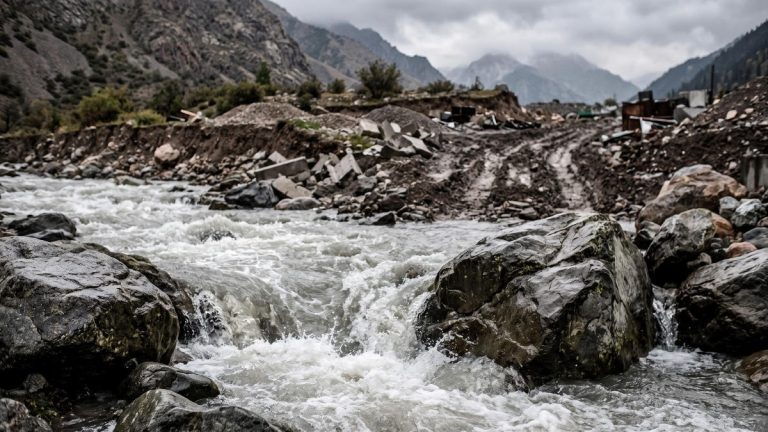
Seasonal fluctuations create substantial vulnerabilities for the region. In winter, when electricity consumption reaches its peak, hydropower output drops significantly due to lower water levels. This misalignment leads to chronic power shortages and forced rationing in some areas. Climate change further complicates the outlook, as melting glaciers and shifting precipitation patterns make river inflows less predictable. World Bank models suggest that under certain climate scenarios, the productivity of the region’s largest reservoirs, including Toktogul and Nurek, could decline by up to one third.
The current instability is partially attributed to the fragmentation of the unified energy system established during the Soviet era. Previously, upstream countries stored water in winter and received thermal power from neighbors, releasing water in summer for downstream irrigation in exchange for electricity. Today, cross-border energy trade has fallen to between 5 – 7 percent of total consumption. While Tajikistan and Kyrgyzstan struggle with winter deficits, Kazakhstan, Uzbekistan, and Turkmenistan have increased their reliance on coal and gas.
EDB analysts suggest a pragmatic approach that positions hydropower as a stabilizer for the broader energy transition. While a total move away from fossil fuels is considered unlikely in the short term, hydropower plants can provide the necessary flexibility to balance intermittent solar and wind energy. As Uzbekistan and Kazakhstan add renewable capacity to their grids, the water reservoirs of neighboring countries could function as large-scale storage, smoothing fluctuations in the integrated regional network.
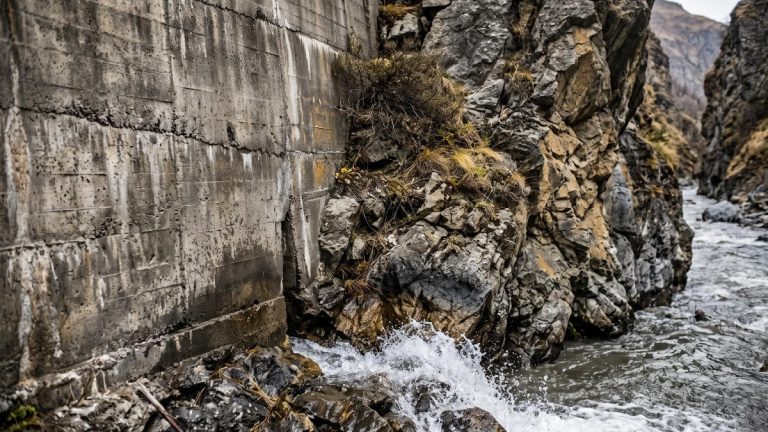
Achieving this stability requires significant capital investment. While large-scale projects such as the Rogun and Kambar-Ata-1 dams are underway, they require decades to complete. Modernizing existing turbines and generators offers a faster return by increasing efficiency without the need for new dam construction. Small-scale hydropower projects on mountain rivers and irrigation canals are also expanding, particularly in Kyrgyzstan, where 15 such facilities have recently entered operation. These smaller plants provide decentralized power to remote areas and reduce the overall environmental footprint.
Economic reform remains a prerequisite for technical upgrades. Electricity tariffs in Central Asia are historically low, ranging from 2 – 5 cents per kilowatt-hour. These rates often fail to cover maintenance costs, contributing to technical losses that can reach 20 percent. Analysts indicate that a gradual move toward market-based pricing, combined with targeted subsidies for lower-income households, is necessary to fund the rehabilitation of the regional power complex – and ensure long-term energy security.