
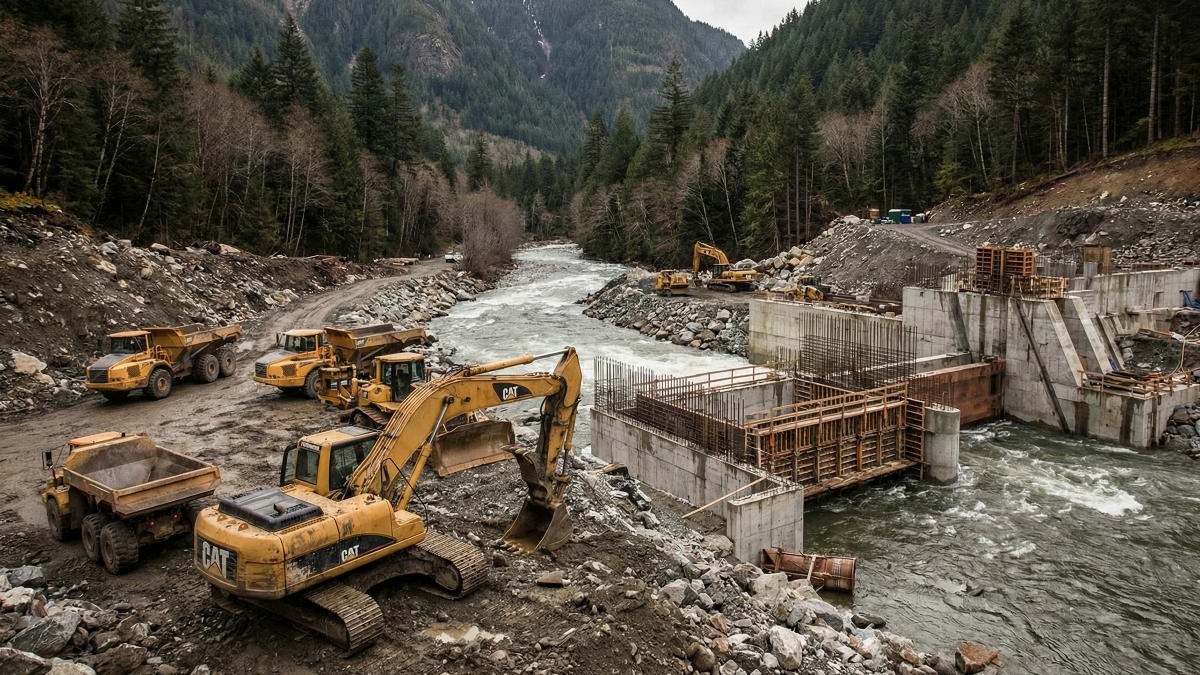
Hydropower development in the Balkhash-Alakol basin of Kazakhstan is expanding, with the number of dams on seven regional rivers increasing from fewer than 10 in 2000 to 50 projects either completed or under construction by 2025. An additional 45 facilities are planned for mountain streams across the area. Environmental organizations warn that this growth poses risks to the country’s freshwater ecosystems and native species.
Experts from the Rivers without Boundaries coalition reported at a recent environmental summit in Astana that these dams act as barriers for aquatic life and reduce the natural recovery capacity of rivers during climate shifts. The impact on hydrological patterns affects Lake Balkhash and its surrounding protected areas. Reduced spring flooding limits the watering of floodplain forests and meadows, while changes in sediment transport lead to the degradation of fish spawning grounds. Species at risk include the Balkhash perch and the Semirechensk salamander, which are found only in Central Asia.
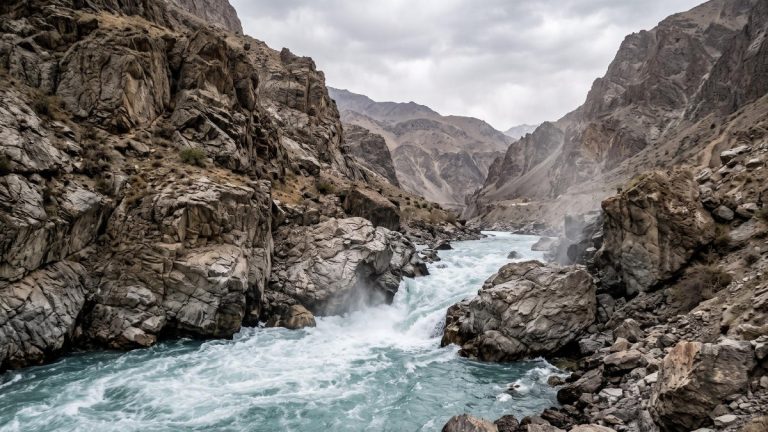
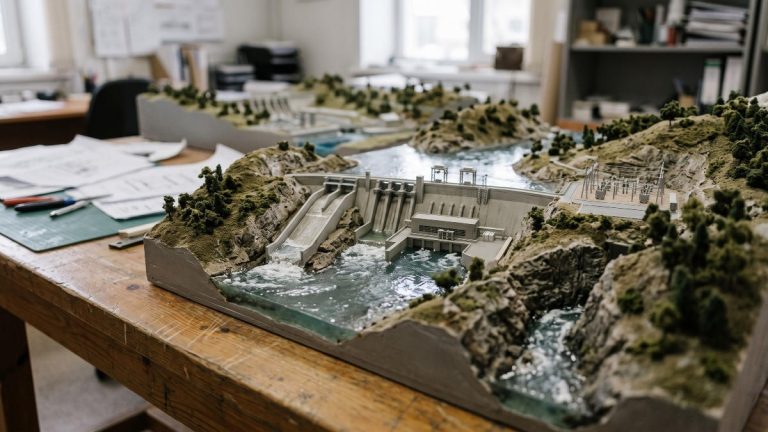
Existing large-scale facilities on the Ili River already influence water availability. The Kapshagay reservoir loses approximately 0.8 cubic kilometers of water each year through evaporation, which decreases the total inflow to Lake Balkhash. To manage peak electricity loads in the Almaty power system, officials propose the 110-megawatt Kerbulak hydropower plant. This station is designed to regulate downstream flow, though its reservoir would flood 356 hectares of the Kerbulak canyon (a habitat for rare birds and a migration route for the ship sturgeon).
In the Jungar Alatau mountains, a cascade of three stations is being developed on the Kora River. While these small-scale projects contribute to regional energy needs, environmental groups argue they produce inconsistent power while altering landscapes that support the snow leopard and the brown bear. Advocates suggest that regional climate adaptation programs must prioritize the protection of free-flowing rivers and establish environmental flow standards to prevent the loss of native flora and fauna.