


Moldova has ruled out supporting the construction of six new hydroelectric power stations along the Dniester River, citing severe water shortages and falling reservoir levels.
Moldovan Environment Minister Gheorghe Hajder said on national radio that current hydrological conditions in the river basin preclude any negotiations regarding the expansion of hydropower capacity. According to the ministry, persistent resource deficits now pose operational risks even for existing hydro facilities, as declining river discharge conflicts with the reservoir volumes required for new dams.
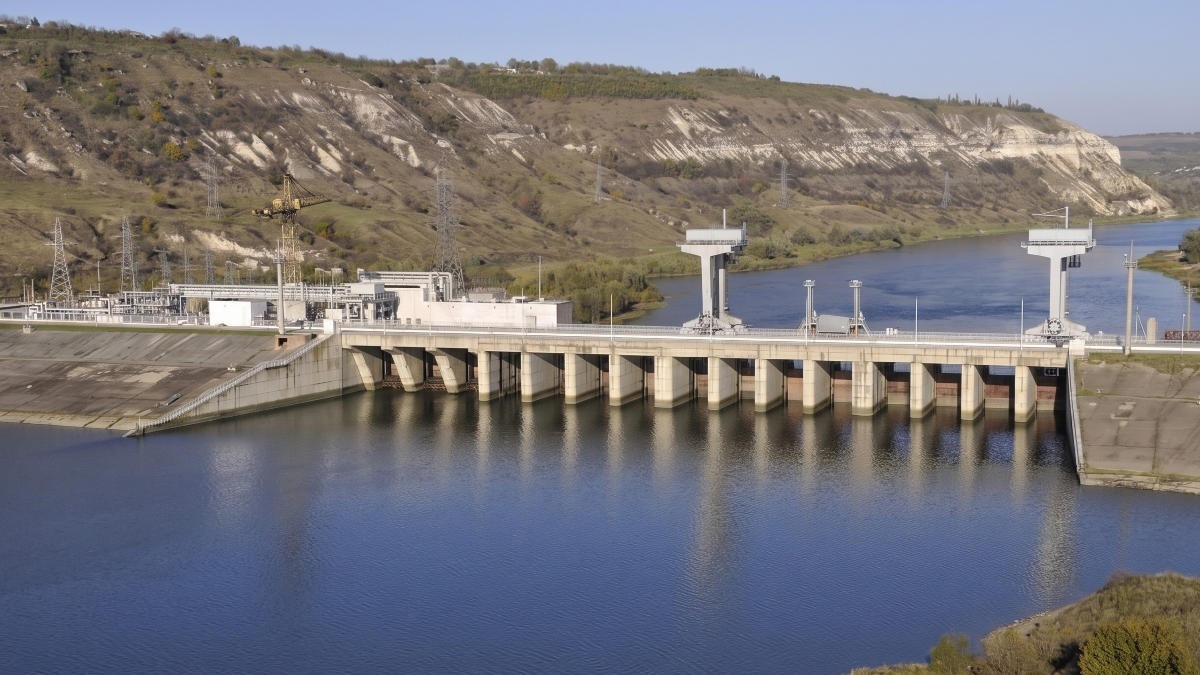
Hydrological data indicates a sustained depletion of upstream reserves. Water levels in the Dniester reservoir fell by 25 centimeters during the first ten days of August, following a decrease of more than one meter in July. Water flow in the river is currently measured at 85 cubic meters per second. Moldovan officials recently rejected a proposal submitted by Ukrainian representatives at a joint commission meeting to reduce the minimum flow rate to 70 cubic meters per second.
Maintaining downstream flow remains critical for the river ecosystem and regional water security. The Dniester serves as the primary freshwater source in the area, supplying approximately 80 percent of Moldova’s water needs and 99 percent of the demand in the capital, Chisinau. In total, the river basin supports municipal water intakes serving 8.5 million people across Moldova and Ukraine.
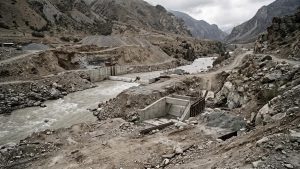
The upper Dniester hydropower development program, approved by the Ukrainian government in 2016, envisioned building a cascade of six new plants. Active project preparations were later suspended due to objections from Chisinau, and Moldovan authorities confirmed that resuming the initiative is not under consideration under current climate conditions.